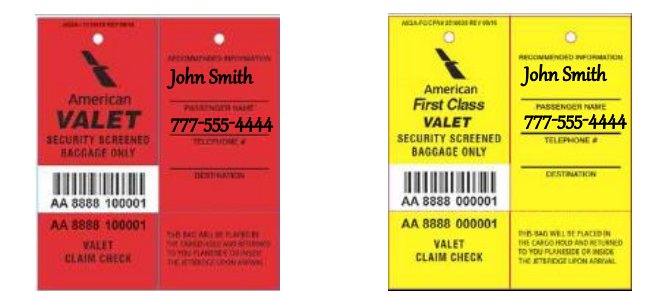
Gate-check tags are the small labels, colored dots, zip ties, or digital markers that record whether a piece of equipment has been inspected and cleared for use. Three things matter most: what the tag is made of, what it says, and who is allowed to remove it. The tag itself doesn’t inspect anything — it only shows that someone already did.
Gate-check tag types compared
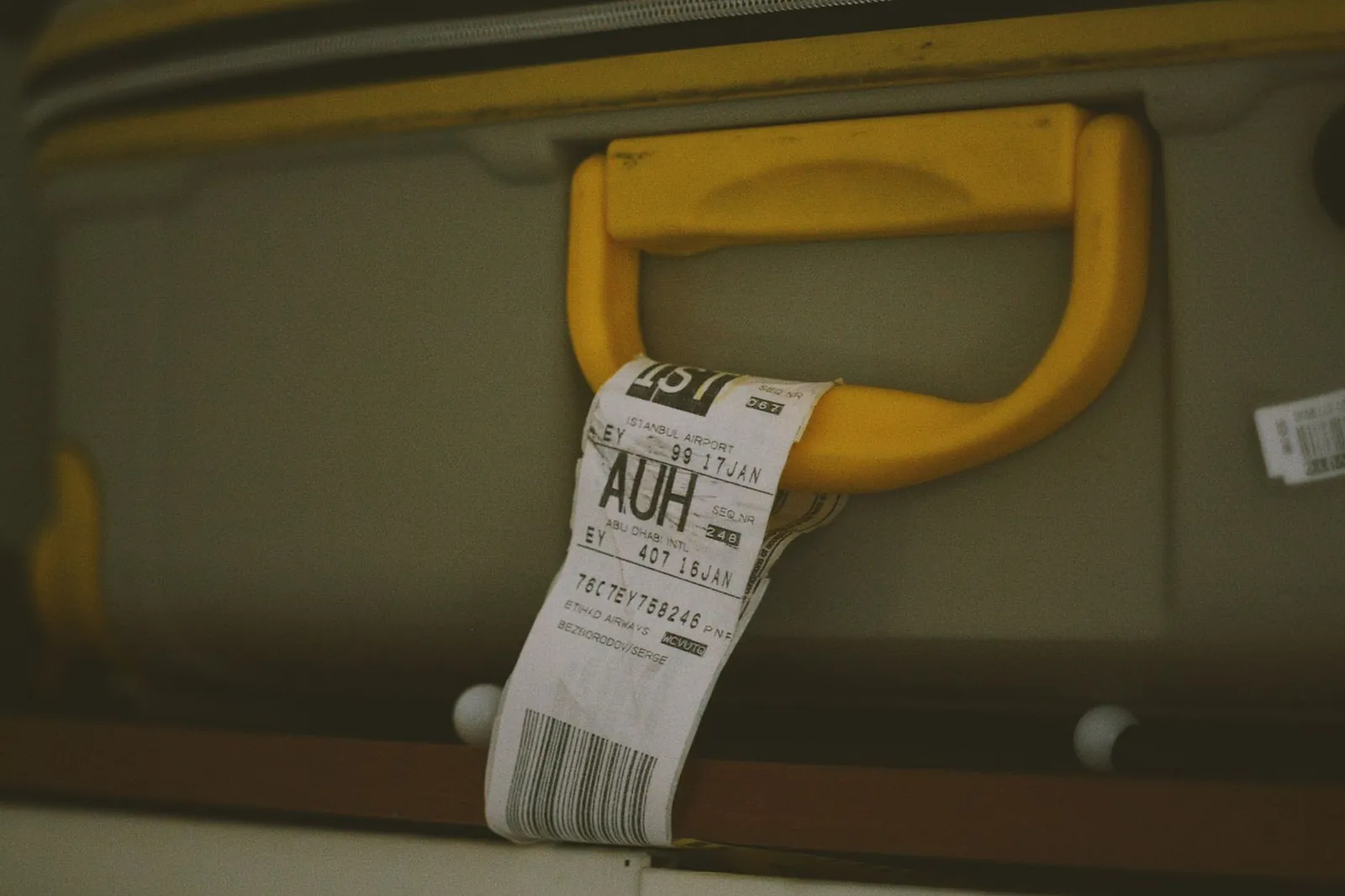
The table below covers the main kinds you’ll find in real use, from a paper tag on a fire extinguisher to a barcode scanned at a warehouse gate. Pick by how long the check needs to last and who has to read it.
| Tag type | Best for | Example |
|---|---|---|
| Paper tag | One-time or short checks | Fire extinguisher monthly tag |
| Plastic snap tag | Repeated daily checks | Forklift pre-shift tag |
| Colored dot sticker | Quick visual pass | Vehicle fleet status dot |
| Zip-tie seal tag | Tamper evidence | Trailer door seal |
| Digital barcode | Scanned records | Warehouse gate scan |
| Metal or rigid tag | Harsh environments | Confined space entry tag |
| Adhesive inspection label | Equipment with a flat surface | Ladder inspection label |
Paper gate-check tags
Paper gate-check tags are the cheapest option and the one most people start with, but they only work if the surface stays dry and the check happens once. They suit a single inspection cycle — a monthly extinguisher check, a one-time equipment release — rather than a tag that has to survive a year of handling. If the tag gets wet or torn, the record is gone.
What they’re good for:
- Recording a signature and date at the moment of inspection
- Meeting a written-log requirement where the tag is the log
- Low cost per unit when you’re tagging hundreds of items
- Easy to write on by hand, no printer needed
A concrete example: a facility manager tags 40 fire extinguishers with paper tags and writes the month and initials on each at every monthly check. The tag carries the inspector’s name, the date, and a pass or fail mark.
Plastic snap tags
Plastic snap tags hold up where paper fails, and they’re the standard choice for equipment checked every shift. The snap loop goes through a handle or ring, so the tag stays attached even when the item gets knocked around. They suit forklifts, pallet jacks, ladders, and anything checked daily or weekly.
What they’re good for:
- Surviving repeated handling without tearing
- Staying attached through washdowns and outdoor storage
- Carrying a printed checklist on the back
- Reusable if you write in pencil or use a sleeve
A concrete example: a warehouse tags 12 forklifts with snap tags, and each operator writes the date and their initials at the start of every shift. A missing or blank tag means the truck doesn’t move until someone checks it.
Colored dot gate-check tags
Colored dot stickers give you a status read at a distance without reading any text. A green dot means cleared, red means stop, yellow means check pending. They suit fleets, tool cribs, and any place where a supervisor needs to scan a row of items in seconds.
What they’re good for:
- Showing status from across a yard or shop floor
- Cutting the time a supervisor spends on a walkthrough
- Working alongside a written tag, not replacing it
- Cheap enough to replace every cycle
One limit worth naming: a dot shows a color, not a reason. If your process needs a date, a name, or a fault note, the dot alone won’t carry it — you’ll need a tag or a digital record beside it. A concrete example: a rental yard puts a green dot on every returned machine that passed inspection and a red dot on any unit waiting for repair.
Zip-tie seal tags
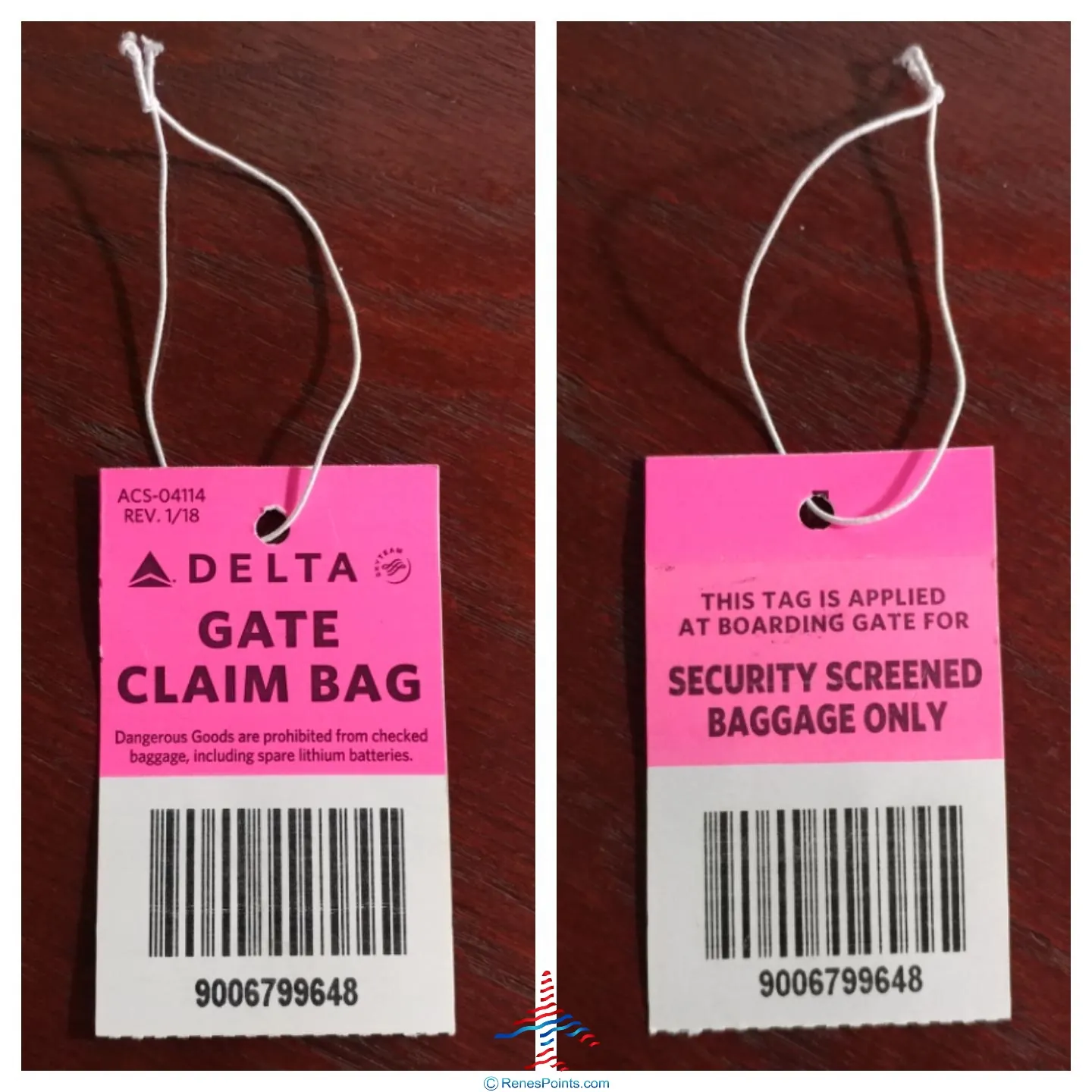
Zip-tie seal tags do one job the others can’t: they show whether anyone opened something after it was checked. Once the tie is cut, it can’t be reclosed without a new one, so a broken seal is proof of tampering. They suit trailers, containers, lockers, and any load that moves between two points.
What they’re good for:
- Proving a door or hatch stayed closed in transit
- Giving each seal a unique number for a paper trail
- Working as a gate check between a shipper and a receiver
- Showing clearly when a load was opened early
A concrete example: a driver seals a trailer with a numbered tie, writes that number on the bill of lading, and the receiving gate checks the number matches before the trailer is opened. If the number doesn’t match, the load gets held.
Digital gate-check tags
Digital gate-check tags replace the physical label with a barcode, QR code, or RFID chip that links to a record on a phone or scanner.
What they’re good for:
- Keeping a dated history you can search later
- Flagging a failed check to a supervisor right away
- Cutting paperwork at a busy gate
- Tying a check to a specific person’s login
A concrete example: a driver scans a QR code at the gate, the app logs the time and their ID, and the record shows up on a dashboard within seconds. No paper changes hands.
Other gate-check tag options
A few more formats show up in specific settings, and each one solves a narrow problem. Reach for these when the common types above don’t fit the environment or the rule you’re working under.
- Metal tags — stamped or etched tags for heat, chemicals, or outdoor sun. Use them on equipment that stays outside for years, where plastic would crack or fade.
- Adhesive inspection labels — flat labels that stick directly to a machine or ladder. Good when there’s no handle or ring to hang a tag from.
- Confined space tags — a specific tag used at a tank or vessel entry point, showing who is inside and who authorized entry. This is a safety-critical tag, not a general-purpose one.
- Lockout/tagout tags — used with a lock during maintenance so equipment can’t be started. Removing one without authority is a serious safety and legal matter.
How to choose the right gate-check tag

The tag that fits you comes down to three things about your setup: how often the item is checked, how long the tag has to last, and whether you need a searchable record. If the check happens once and the item then leaves your control, a paper tag is enough; if it’s checked every shift, use a plastic snap tag. If you need to prove a door stayed shut, use a zip-tie seal.
If a supervisor has to read status from a distance, add a colored dot; if you need a history you can search, go digital. No single tag does all of these at once — the more a tag has to prove, the more it costs and the more steps it adds to the check.
You can combine them. Many operations run a physical tag plus a digital scan, so the tag is visible on the item and the record lives in the system. What you can’t do is skip the check and let the tag stand in for it — a tag only records that someone looked, and a tag with no check behind it’s worse than no tag at all.
Frequently asked questions
What are gate-check tags used for?
They record that an item was inspected and cleared before it’s used or moved. A tag on a forklift, trailer, or extinguisher shows the check happened, who did it, and when. The tag doesn’t replace the inspection itself — it’s the proof that one took place, so a supervisor or the next user can see the status without asking.
How long do gate-check tags last?
It depends on the material and the conditions. Paper tags typically last one inspection cycle, often 30 days indoors. Plastic and metal tags can last a year or more outdoors, but sun and chemicals shorten that. Check the maker’s own spec sheet for the rating on the exact tag you buy, since it varies by product.
Can I make my own gate-check tags?
Yes, for simple checks. A printed card in a plastic sleeve works for a basic pass or fail record. But if a rule, a customer, or an insurer requires a specific format, a unique number, or a tamper-evident seal, a homemade tag usually won’t meet it. Check the written requirement first, then match the tag to it.
Is it safe to remove a gate-check tag?
Only if you’re authorized to. Removing a tag that shows equipment is cleared, locked out, or occupied can put someone in danger. Lockout/tagout tags and confined space tags are safety controls, not labels — removing one without authority can cause injury and may break workplace safety rules. When in doubt, leave it and ask.
What happens if a gate-check tag is missing?
Treat the item as not cleared until someone checks it. A missing tag means there’s no record that the inspection happened, so the safe move is to hold the item and re-inspect it. On a trailer seal, a missing or mismatched number usually means the load gets held until the discrepancy is resolved.
Does a gate-check tag expire?
Yes, most do. Tags carry a date or a cycle, and an expired tag means the check is out of date even if nothing looks wrong. How often you renew depends on your own procedure or the rule you follow — some are daily, some monthly. Read the requirement that applies to your item, not a general rule.
Do gate-check tags matter legally?
They can. In workplaces, inspection and lockout/tagout records are part of what safety regulators expect employers to keep. The U.S. Occupational Safety and Health Administration (OSHA) publishes the rules on lockout/tagout in its standards. Check the rule that applies to your industry and location, since requirements differ.
Can I reuse a gate-check tag?
Sometimes. A plastic snap tag you wrote on in pencil can be wiped and reused. A zip-tie seal can’t — once it’s cut, it’s done. A paper tag with a written date usually can’t be reused either. If the tag’s whole job is to prove nothing changed, reusing it defeats the purpose.
Start with one item
Tag one item first — pick the piece of equipment you check most often — and run it for a full cycle before you buy tags for everything. If the tag is torn, faded, or missing by then, step up to a tougher tag or get help from a safety supplier who knows your industry’s rules.