
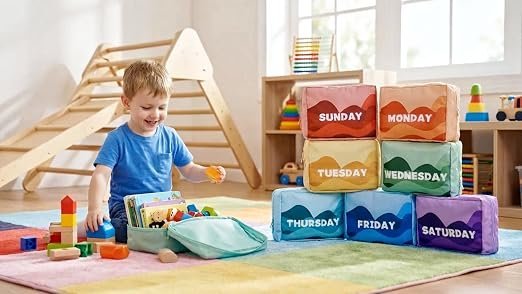
A child who can’t tell their socks from a sibling’s shirt will dump the whole bag to find one thing. Color-coded packing cubes solve this by letting kids pack without adult help every single time. You give each kid one bright color, and their clothes go only in that color.
Parts of color-coded packing cubes for kids
| Part or input | What it does | What you notice when it goes wrong |
|---|---|---|
| Colored outer fabric | Shows which child owns this cube | Kids grab the wrong bags constantly |
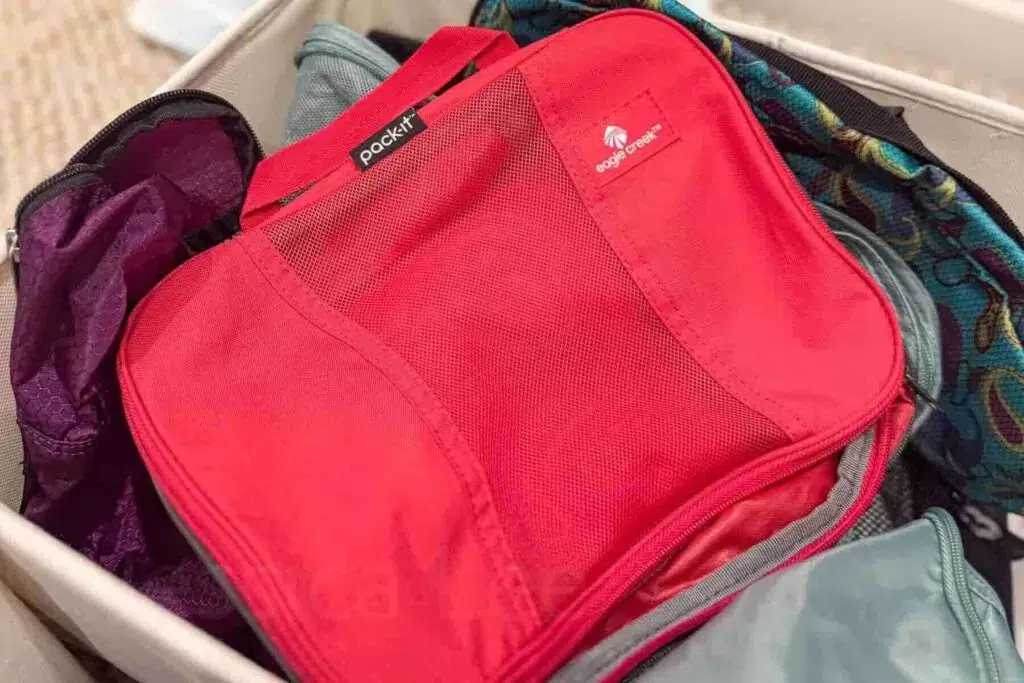
| Mesh top panel | Lets kids see shirts inside | They unzip everything just to look |
| Double zipper pull | Opens wide for small hands | Zipper jams on thick winter jackets |
| Size label or tag | Tells what fits inside | Socks get stuffed into shoe cubes |
| Water-resistant base | Keeps floor moisture away from clothes | Clean clothes smell damp after travel |
| Carry handle loop | Gives small fingers something to grip | Kids drag the whole bag across floors |
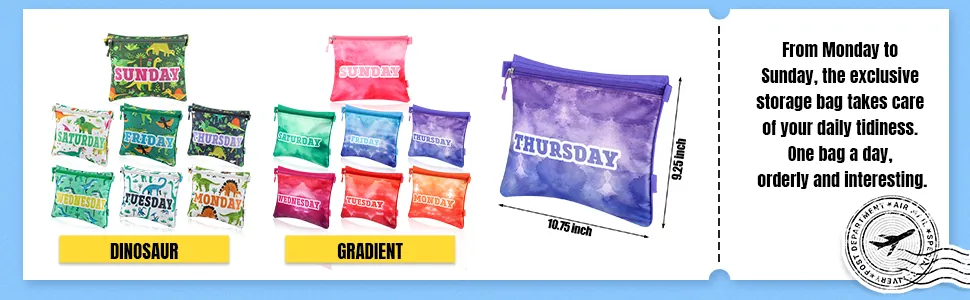
The fabric color is the main tool here, not the size or the brand. If two kids share a similar shade, like light blue and teal, the visual shortcut fails. Pick colors that sit far apart on the color wheel, like red and green, so a quick glance settles the question.
How kids use packing cubes step by step
-
Lay out one empty cube per child using their assigned color. This takes about 30 seconds if the bags are already pulled from the closet. Do this on a bed, not the floor, so little ones don’t drop things under furniture while reaching down.
-
Sort the laundry pile by owner before touching any zippers. Spend two minutes putting each kid’s clothes in front of their matching bag. If a shirt belongs to the blue cube, it lands near the blue cube right now.
-
Fold soft items like t-shirts flat to match the cube’s bottom shape. A standard medium cube holds roughly six folded toddler shirts or four youth shirts. Thick hoodies need the large size; forcing them into a medium stretches the mesh until it tears.
-
Place heavier things like jeans or shoes at the bottom of the bag first. Lighter items like underwear go on top so they don’t get crushed. This keeps the center of gravity low when the kid carries it.
-
Press the air out gently before pulling the zipper closed. Don’t yank the slider if the fabric bunches up near the teeth. Back the zipper up half an inch, smooth the cloth flat with your thumb, and try again.
-
Stack the closed bags inside the main suitcase side by side. Put the heaviest color block against the wheels so the case doesn’t tip over when standing upright. This takes less than a minute.
-
Assign one specific pocket in the backpack for the smallest cube. This usually holds pajamas or the next morning’s outfit. Tell the child that the small red bag always lives in the front zipper pocket so they never have to ask where it goes.
Why kids mix up clothes without color cues
A lost sock or a borrowed jacket isn’t just messy; it slows down the whole family’s morning. When children share a suitcase without clear visual borders, ownership becomes a guessing game. The brain processes color faster than text, especially for early readers. A red bag means “mine” instantly, while a printed name tag requires stopping, turning the bag, and sounding out letters. That extra effort is where the breakdown starts.
If the cubes are all gray or navy, you’ve removed the very feature that makes the system work. Kids treat identical bags as a shared pool. They’ll dig through three of them looking for one pair of shorts, leaving clothes scattered across the hotel carpet. The symptom is a messy room ten minutes after arrival. The cause isn’t laziness; it’s identical containers offering no clue about what’s inside.
When a child grabs the wrong bag because the shades are too close, the fix is contrast, not discipline. Swap the teal bag for a bright yellow one. If your current set only comes in earth tones, tie a different colored ribbon to each handle. The visual signal must be readable from across a dim hotel room, not just under bright store lights.
Another failure point is the mesh panel. If it’s completely opaque, kids unzip every single bag to check contents. That defeats the purpose of keeping things sorted. If the mesh is torn, small items like hair ties slip out during transit. Check the mesh before every trip. Hold the bag up to a window; if you can’t see shapes through it, the panel is too thick for a child to trust without opening.
Zippers also cause trouble. Adult luggage uses stiff metal pulls. Kids’ hands need larger loops they can hook a finger through easily. If the zipper sticks, a child will pull harder until the track splits. A split track means the bag stays open, and its contents spill into the main suitcase, mixing with everyone else’s gear again. Test the slider yourself. If it catches on the fabric edge, trim the loose thread before handing it over.
What you control with kids’ packing cubes
Things you can change
- The color assigned to each child for the entire trip.
- Which clothing categories go into which size bag.
- Where each colored cube sits inside the main suitcase.
- How many items fit before the zipper strains.
- Whether a ribbon or sticker marks the handle for younger kids.
Things fixed by design
- The maximum volume of each bag, stamped on the manufacturer’s tag.
- The zipper type sewn into the factory seam.
- The mesh density woven during production.
- The weight limit before the handle stitching pulls free.
You decide the colors and the rules, but the bag’s physical limits stay put. If a child tries to force a winter coat into a medium cube meant for summer shirts, the zipper will fail. That’s a hardware limit, not a behavior problem. Buy the size that matches the thickest item they’ll carry.
If a zipper track splits or a handle rips off mid-trip, stop trying to fix it with safety pins or tape. A makeshift repair on a moving zipper can pinch a child’s finger hard enough to break skin. Hand that bag to a local tailor or luggage repair shop at your destination. Don’t let a seven-year-old wrestle with broken metal teeth.
Habits that keep packing cubes working for kids
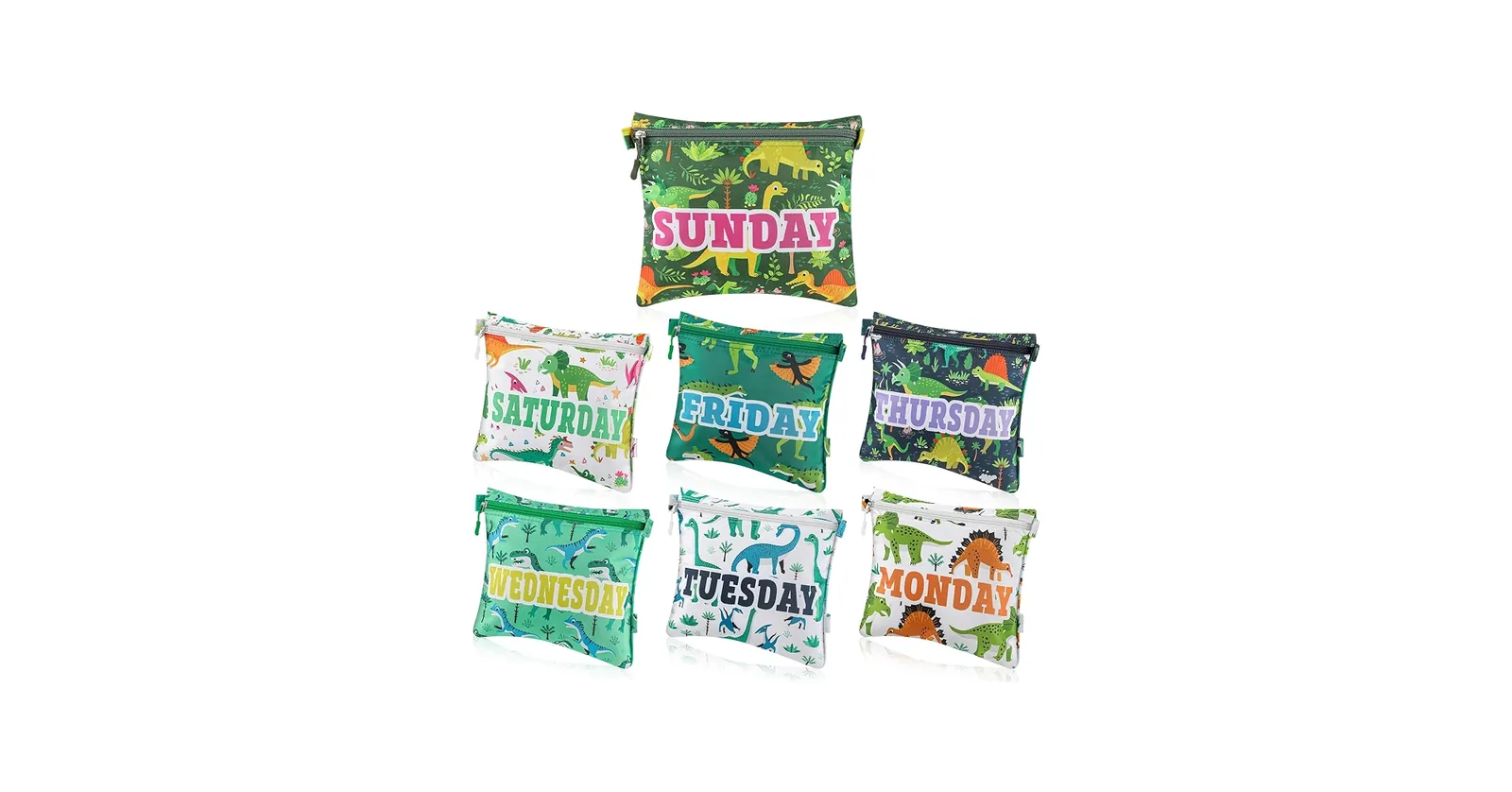
Leave the same color with the same child for every trip. Switching assignments between holidays wipes out the memory they built last time. The whole point is automatic recognition, and that needs repetition to stick. If you change the red bag from Leo to Mia, you’re starting over from zero.
Pack the cubes together on the bed, not inside the open suitcase. Kids need a flat surface to fold and stack. If they crouch inside a deep bag, they’ll just throw things in randomly. Give them space to lay the items out first, then transfer the closed blocks.
Count the bags before leaving any location. If you brought four cubes into the hotel room, four must leave. Teach the child to count their own colors. “Do you see your green bag?” Is a faster check than asking if they packed everything. One missing color tells you exactly whose stuff is left behind.
Wipe the water-resistant base with a damp cloth after every flight. Airport floors and hotel carpets leave dust that transfers to clean clothes. You don’t need soap; plain water removes the grit. Let the base dry fully before zipping it shut for storage, or the trapped moisture will make the fabric smell sour by your next trip.
Store the empty cubes nested inside the largest one at home. If you toss them loose into a closet, they slide behind other boxes. Nesting them keeps the set together and reminds you exactly how many you own before the next flight.
Related guides
- 10 Best Packing Cubes Kids Travel 2026 – Top Picks!
- 10 Best Packing Cubes Kids for Travel 2026 – Pack Smarter
Frequently asked questions
Can toddlers use packing cubes alone?
Yes, around age three, if the zippers have large loop pulls. Toddlers can’t read name tags, but they recognize their favorite color reliably. Keep the task to one action: put the shirt in the blue bag. Don’t ask them to fold neatly yet. Just matching the color to the correct child is the full job at that stage.
Why do my kids still mix up identical bags?
Identical bags remove the visual cue entirely. Without contrasting colors, children rely on memory or asking adults. If you bought a set in one color, tie a different bright shoelace to each handle. The added marker gives them back the instant recognition that a single-color set hides from them.
How long does it take kids to pack this way?
About five minutes per child once they know their assigned color. The first time might take fifteen minutes while you explain the rule. After three trips, they walk straight to their color without asking. Speed depends on how many items they carry; six shirts sort faster than twenty mixed pieces.
Is it safe to let kids handle zippers?
Standard nylon coil zippers are safe for children over three. Avoid metal tooth zippers, which can pinch skin sharply if the slider jumps the track. Show them to stop pulling if the fabric bunches. If a zipper feels stuck, they should hand the bag to you instead of yanking it harder.
What happens if a zipper breaks during a trip?
The bag loses its ability to stay closed, and items spill into the main suitcase. Don’t try to force the slider back on. Transfer the clothes to a plastic grocery bag or a spare pillowcase temporarily. Find a luggage repair shop or tailor at your destination to replace the track properly.
Does the cube size matter for children?
Yes, smaller bags prevent heavy loads that strain little shoulders. A medium cube holding six toddler shirts weighs under two pounds. Large cubes filled with jeans get too heavy for a five-year-old to lift safely. Match the bag volume to the child’s strength, not just the amount of clothing you want to bring.
How many colors do I need for siblings?
One distinct color per child, plus one extra if you share items like sunscreen or chargers. Two kids need two clearly different shades, like orange and purple. Don’t use pink and red together; in dim hotel lighting, they look identical. High contrast between every assigned color prevents arguments over whose bag is whose.
Do packing cubes fit inside school backpacks?
Small and extra-small sizes fit standard school backpacks, usually measuring under twelve inches tall. Medium cubes often bulge against the zipper when stuffed into a child’s daypack. Check the backpack’s internal dimensions on the manufacturer’s tag before buying. If the cube is wider than the bag’s base, it won’t lay flat inside.
Conclusion
Color is just a shortcut, but for a child standing in a strange room, shortcuts are the difference between independence and a meltdown. The bags don’t teach responsibility directly; they remove the confusion that stops kids from trying. Once the sorting happens by sight, the rest of the trip runs quieter.

