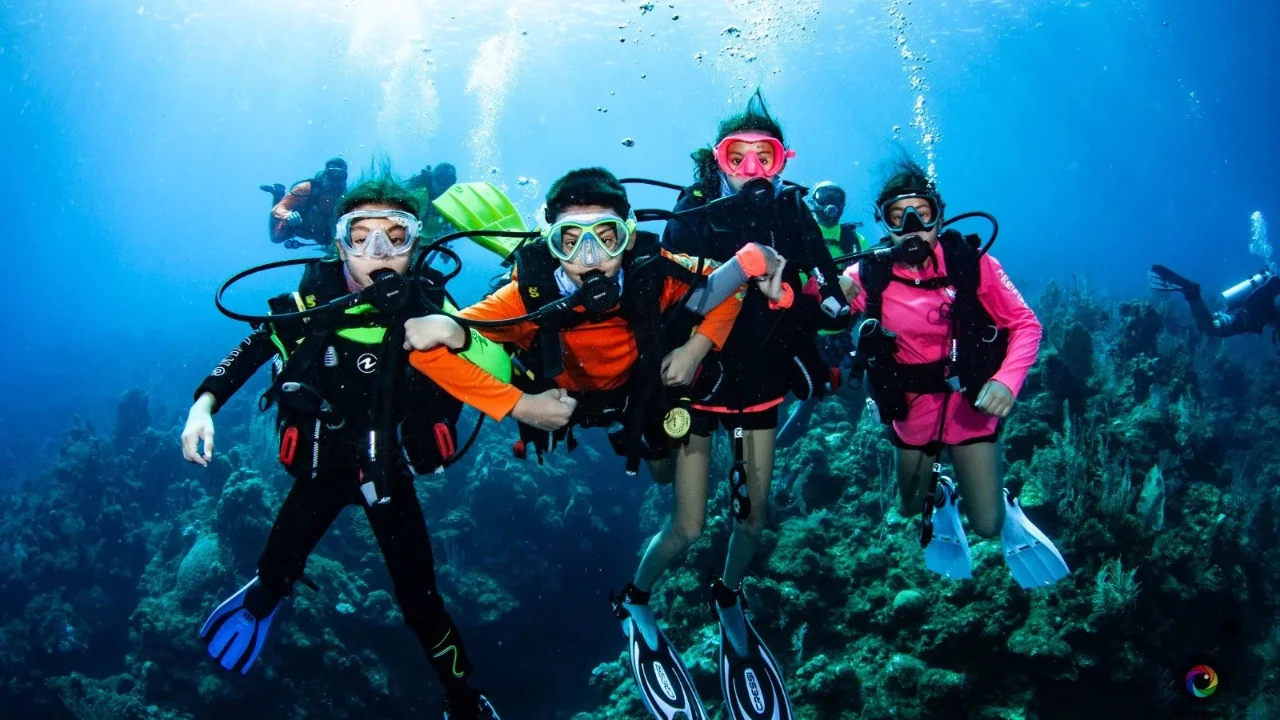
Family scuba diving trips can create unforgettable memories. But not every dive spot is right for kids or beginners. Some places are too deep, too cold, or too difficult. Others offer warm water, gentle currents, and amazing sea life—perfect for families, even those new to diving.
The good news? There are many beautiful places around the world that welcome divers of all ages and skill levels. This guide highlights the best destinations for family scuba diving, explains what makes each special, and gives tips for planning a safe and fun underwater adventure for everyone.
What Makes A Dive Spot Family-friendly?
A family-friendly scuba diving location is more than just clear water and fish. It should offer:
- Shallow dive sites: Easier for beginners and children
- Calm conditions: Low currents and good visibility
- Reliable dive shops: Quality equipment, safety standards, and instructors who work well with kids
- Other activities: Beaches, snorkeling, or cultural sites for non-diving family members
- Easy travel logistics: Simple access, family accommodation, and medical facilities
Many parents overlook the importance of shallow, sheltered reefs. These areas often have the most colorful fish and allow younger or less experienced divers to gain confidence.
Top Family Scuba Diving Destinations
1. Bonaire, Caribbean Netherlands
Bonaire is known worldwide for easy shore diving. The reefs start close to the beach, so families can walk into the water and see fish within minutes. Conditions are calm year-round, and water temperatures stay around 28°C (82°F). Many dive shops offer courses for kids as young as 8, like the PADI Bubblemaker.
Non-divers can enjoy windsurfing, kayaking, or exploring Washington Slagbaai National Park. The island is also malaria-free and has modern medical care.
2. Great Barrier Reef, Australia
The Great Barrier Reef is famous for good reason. It’s the world’s largest coral reef system, home to over 1,500 species of fish and 400 types of coral. Many operators in Cairns, Port Douglas, and the Whitsundays cater to families, offering shallow lagoon dives and snorkeling trips.
Liveaboard boats often have special programs for children, including introductory dives and marine biology talks. The reef’s calm, warm waters are ideal for all ages. Remember: stinger season (marine jellyfish) runs from November to May, so wear stinger suits.
3. Red Sea, Egypt
The Red Sea offers excellent visibility—often 30 meters or more. Sharm El Sheikh and Hurghada have many family-friendly resorts with house reefs right off the beach. The water is warm, and marine life is spectacular: clownfish, turtles, and sometimes dolphins.
Egypt’s tourist infrastructure makes travel easy. Many hotels offer kids’ clubs, pools, and other activities. The Red Sea is also a top spot for young divers to complete their Open Water courses with experienced instructors.
4. Hawaii, Usa
Hawaii’s islands—especially Maui and the Big Island—are perfect for family diving. The water is warm, and currents are usually mild at popular sites. Kids love seeing green sea turtles, colorful reef fish, and sometimes manta rays.
Some dive shops offer “Discover Scuba” experiences for children as young as 10. Non-divers can enjoy volcano tours, beaches, or traditional Hawaiian luaus.
5. Maldives
The Maldives is a paradise of crystal-clear water and white-sand islands. Many resorts have their own house reefs, where families can dive or snorkel together. Water temperatures range from 27–30°C (80–86°F).
The Maldives is famous for gentle encounters with manta rays and whale sharks. Most resorts have dive centers with instructors trained to work with children and beginners. Travel tip: Some islands are more family-friendly than others, so check resort policies before booking.
6. Cozumel, Mexico
Cozumel is known for drift diving, but it also offers many shallow reefs perfect for families. Palancar Reef and Paradise Reef have calm, clear water and abundant marine life. Dive operators offer kid-friendly courses and “bubble” dives for children under 10.
The island itself is safe and welcoming, with beaches, Mayan ruins, and snorkeling tours for non-divers. Cozumel’s location in the Caribbean means warm water all year.
7. Fiji
Fiji is called the “soft coral capital of the world. ” The reefs are shallow, colorful, and full of life. Many family resorts in Fiji have their own dive centers, offering programs for young divers and even babysitting for toddlers.
You might see clownfish, sea turtles, and even small reef sharks—safe and exciting for kids. Fiji’s culture is very family-oriented, and locals are known for being welcoming to children.
8. Florida Keys, Usa
The Florida Keys offer some of the best family diving in the United States. John Pennekamp Coral Reef State Park, near Key Largo, is famous for its shallow reefs and underwater statue, “Christ of the Abyss.”
Many dive shops in the Keys cater to families, providing beginner courses, equipment rental, and even glass-bottom boat tours for those who don’t want to get wet. Water is warm from May to October, and visibility is usually excellent.
9. Thailand (koh Tao)
Koh Tao is a top spot for beginner divers and families in Southeast Asia. The island is known for affordable dive courses, gentle conditions, and plenty of shallow coral reefs. Many dive schools have special programs for children and teenagers.
Besides diving, families can explore beaches, hike, or visit turtle sanctuaries. Avoid the rainy season (November–January) for the best underwater visibility.
10. Belize
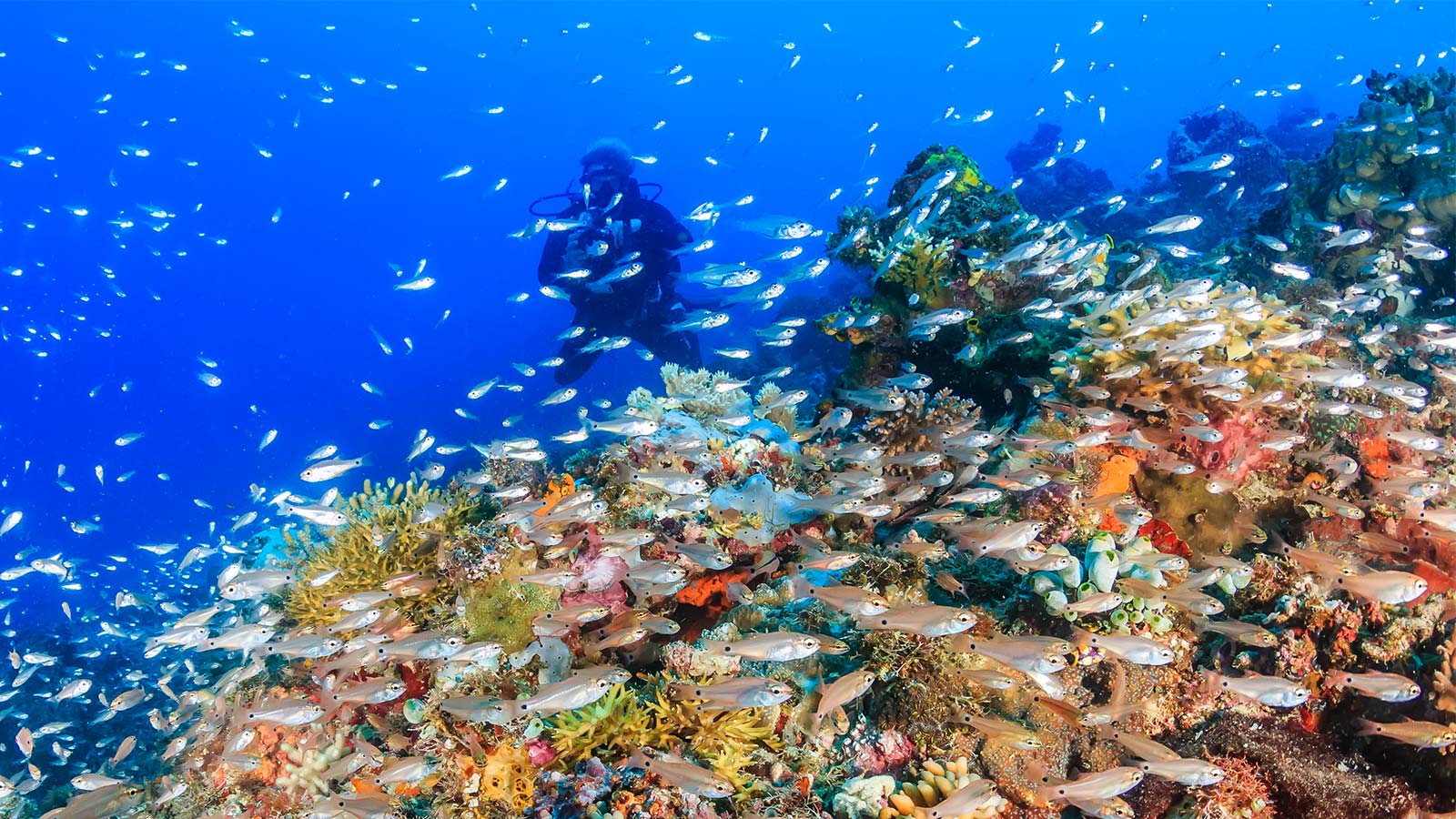
Belize is home to the second-largest barrier reef in the world. Ambergris Caye and Caye Caulker are popular with families because of their shallow, easy dive sites and rich marine life. The famous Hol Chan Marine Reserve is perfect for beginner divers and snorkelers.
Many tour operators offer family packages, including boat trips, snorkeling, and cultural tours. English is the official language, making travel easier for many visitors.
Credit: wanderingwagars.com
How To Choose The Best Place For Your Family
Choosing the right spot depends on your family’s experience, children’s ages, and what you want from your trip. Here’s a quick comparison of three top destinations:
| Destination | Water Temp (°C) | Visibility (m) | Min. Age for Kids | Top Family Activity |
|---|---|---|---|---|
| Bonaire | 27–29 | 15–30 | 8 | Shore diving |
| Great Barrier Reef | 24–29 | 10–30 | 8 | Snorkeling cruises |
| Red Sea | 22–29 | 20–40 | 8 | Resort activities |
Some families make the mistake of picking a destination with famous deep dives or strong currents—these are usually not right for kids or beginners. Instead, look for places with calm, shallow reefs.
Safety Tips For Family Scuba Diving
Safety is the most important part of any family diving trip. Keep these tips in mind:
- Check minimum age: Most agencies require children to be at least 8 for beginner programs, 10 for Open Water certification.
- Choose the right operator: Find dive shops with a good reputation, modern equipment, and instructors experienced with children.
- Start in a pool or shallow water: Let children practice skills before going deeper.
- Watch for signs of fatigue: Kids tire faster than adults. Plan shorter dives and take breaks.
- Be sun smart: Use reef-safe sunscreen and drink plenty of water.
- Stay together: Always dive as a group, and never leave children unattended.
An often-missed tip: bring snacks and warm towels on the boat. Kids get hungry and cold faster than adults after a dive, even in warm climates.

Credit: www.scubadiving.com
Practical Planning: Packing And Preparation
Families often forget the little things that can make a dive trip easier. Here’s what to consider:
- Travel insurance: Make sure your policy covers scuba diving and medical evacuation.
- Medical check: Get a doctor’s approval for all divers, especially children.
- Pack personal gear: Kids may feel more comfortable with their own mask, snorkel, and fins.
- Bring entertainment: Books, games, or coloring supplies for downtime.
Some resorts offer family packages that include meals, dive lessons, and childcare. This can make the trip less stressful for parents and more fun for kids.
Cost Comparison Of Popular Destinations
Budget matters for most families. Here’s a general idea of how costs compare for a family of four (2 adults, 2 children, 5 days of diving, including accommodation):
| Destination | Approx. Total Cost (USD) | Inclusions |
|---|---|---|
| Bonaire | $3,000–$4,000 | Diving, accommodation, rental gear |
| Cozumel | $2,500–$3,500 | Diving, hotel, some meals |
| Red Sea, Egypt | $2,000–$3,000 | Resort, diving, airport transfers |
| Great Barrier Reef | $4,500–$6,000 | Liveaboard, meals, diving |
| Maldives | $6,000–$10,000 | Resort, meals, diving, transfers |
Prices can change depending on the season, flight costs, and level of luxury. Booking in advance often saves money, especially during school holidays.
Two Insights Most Beginners Miss
- House reefs are a game changer: Many families focus on boat dives, but resorts with a house reef let you dive anytime—no need to stick to boat schedules or rush kids.
- Look for family-specific dive programs: Some destinations have special courses or “kids’ clubs” where children learn about marine life, safety, and basic skills before trying scuba. This builds confidence and excitement.
Frequently Asked Questions
What Is The Youngest Age A Child Can Start Scuba Diving?
Most organizations set the minimum age at 8 years for introductory pool programs (like PADI Bubblemaker) and 10 years for Junior Open Water courses in the ocean. Always check the dive shop’s rules and your child’s comfort level.
Are There Health Risks For Kids Who Scuba Dive?
Children should be healthy, able to swim, and comfortable in the water. Ear problems and cold water can be more challenging for kids. Always get a doctor’s approval before letting children dive, and never push them if they are nervous.
Can Non-diving Family Members Still Enjoy These Destinations?
Yes! Most family dive destinations offer snorkeling, beaches, boat tours, and cultural activities. Resorts often have pools, kids’ clubs, and excursions, so everyone can have fun, even without scuba diving.
How Can I Keep My Kids Safe While Diving?
Choose operators with strong safety records and instructors who work well with children. Start with shallow, easy dives, and always dive as a family group. Keep dives short, and watch for signs of tiredness or discomfort.
Final Thoughts
The best time depends on the destination. For example, the Caribbean and Florida Keys are best from December to April, while the Red Sea and Maldives are great year-round. Avoid local rainy or hurricane seasons for better visibility and safety.
Research your chosen spot before booking.
Family scuba diving opens a magical underwater world for children and parents alike. With the right destination and good planning, your family’s next adventure could be your best yet. For more info on safe diving with kids, visit the Scuba diving Wikipedia page. Enjoy your dive and stay safe!