Snorkeling is a wonderful way for families to explore the ocean together. Watching colorful fish and gentle sea life is exciting—especially for kids. But not every beach is safe or easy for young snorkelers. If you want a family trip that’s both fun and safe, it helps to know the best beaches for snorkeling with kids. This guide is here to help you plan, even if you’re new to snorkeling or traveling with toddlers.
As a parent, you want clear water, gentle waves, and a safe spot where your children can enjoy the sea at their own pace. Some beaches have lifeguards, while others have shallow lagoons perfect for small swimmers. Here you’ll find 15 of the world’s top beaches for snorkeling with kids, plus practical tips, packing advice, and answers to common questions about family snorkeling trips.
15 Best Beaches For Snorkeling With Kids
Let’s explore each beach, with details on why it’s great for families, safety levels, best ages, and tips for parents.
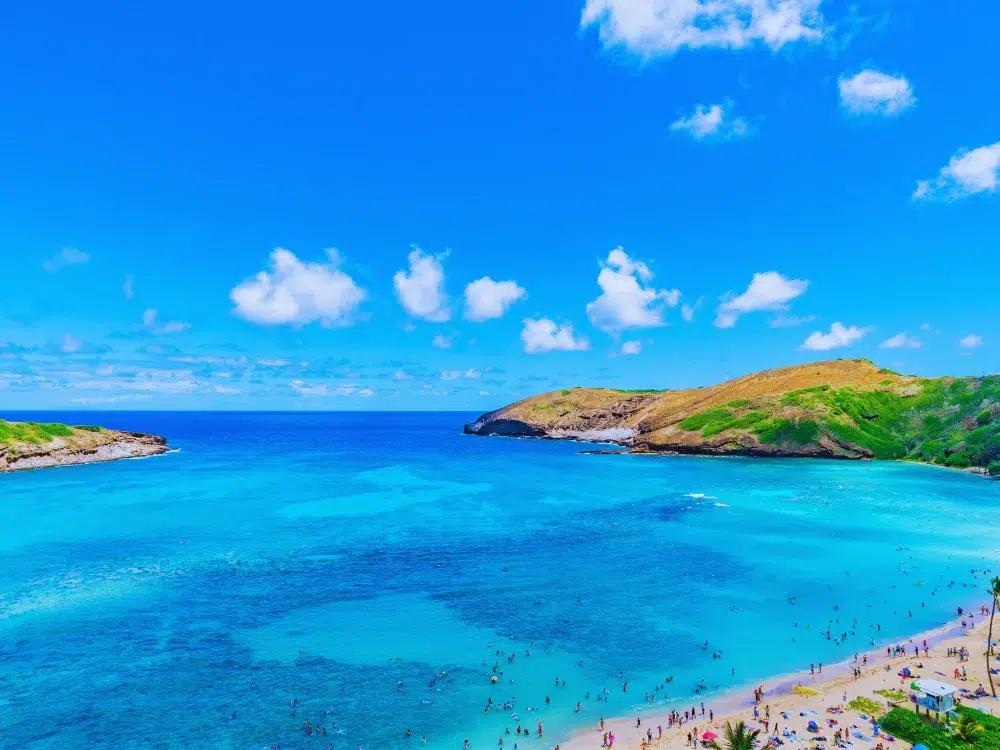
1. Hanauma Bay, Oahu, Hawaii, Usa
Why it’s great for kids:
Hanauma Bay is famous for its clear, calm water and gentle sandy entry. It’s a protected nature reserve, so fish are everywhere, even in shallow water. Kids can spot colorful parrotfish and butterflyfish right near the shore.
Safety level:
- Very calm waves
- Sandy bottom
- Lifeguards on duty
- Shallow areas close to the beach
Best age suitability:
Ages 3 and up. Even toddlers can splash in the shallows.
Tips for parents:
- Arrive early; the beach gets busy and has limited entry
- Use reef-safe sunscreen to protect the coral
- Teach kids not to touch marine life
- Bring a flotation vest for young children
2. Trunk Bay, St. John, Us Virgin Islands
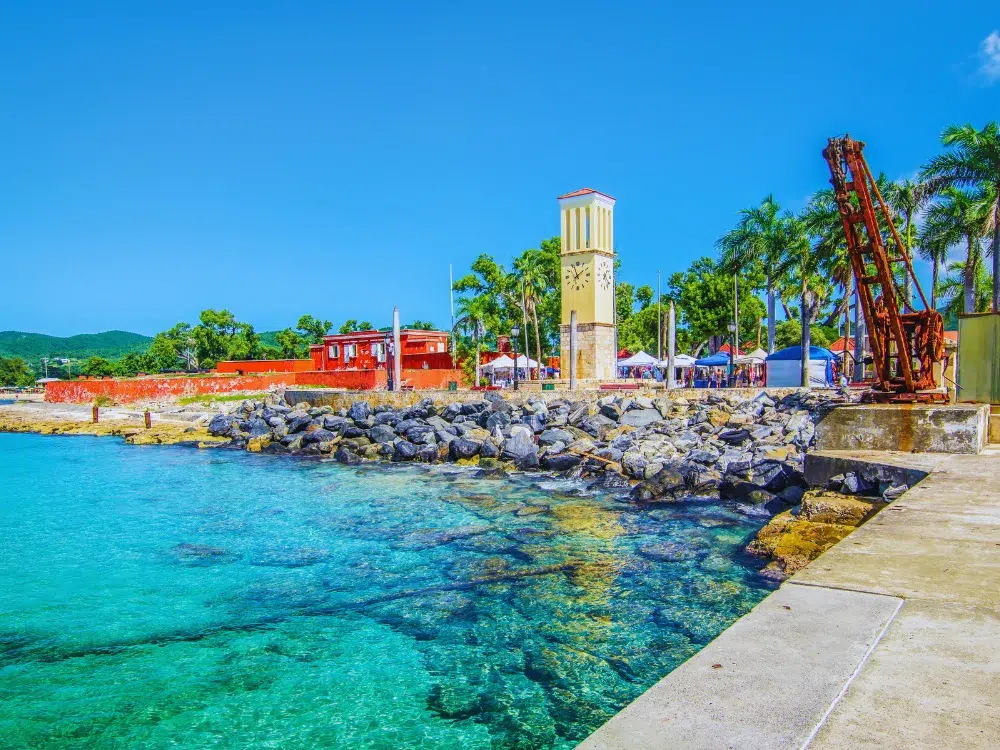
Why it’s great for kids:
Trunk Bay has a special underwater snorkeling trail with signs and easy-to-follow paths. The water is warm and clear, with gentle waves. Kids love spotting small turtles and reef fish.
Safety level:
- Calm, protected bay
- Lifeguards on site
- Sandy, shallow entry
Best age suitability:
Ages 5 and up. The underwater trail is perfect for beginners.
Tips for parents:
- Rent snorkeling gear on site
- Stay close to the underwater trail for safety
- Bring snacks and shade, as facilities are limited
- Watch for jellyfish during some months
3. Akumal Beach, Riviera Maya, Mexico
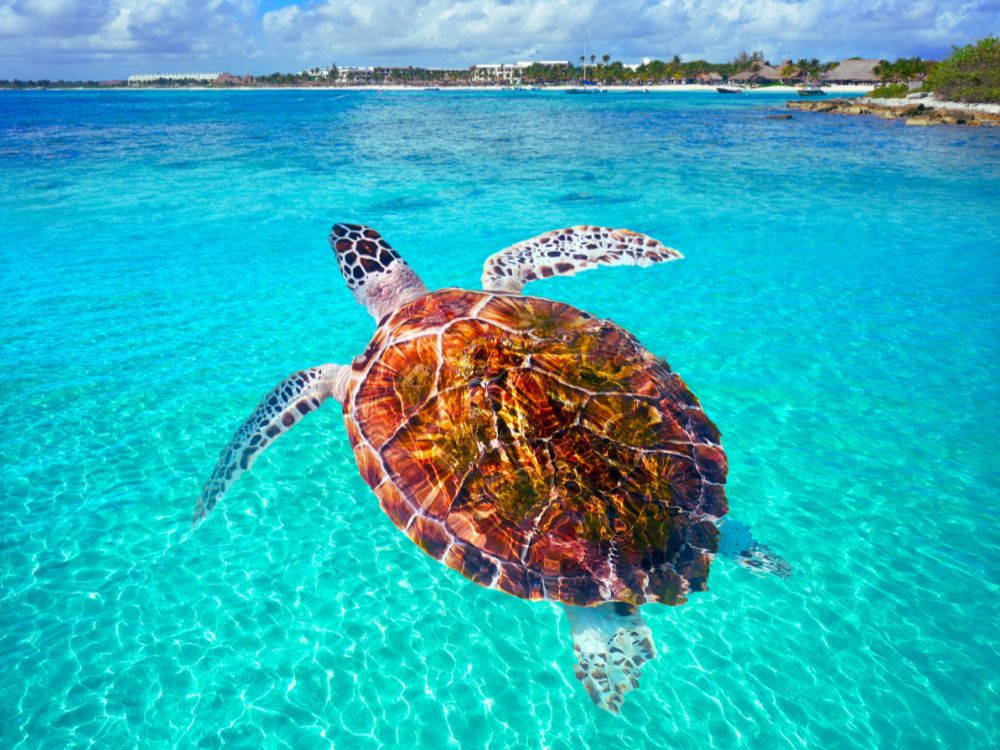
Why it’s great for kids:
Akumal means “place of turtles” in the Mayan language. Turtles are often seen feeding in the shallow seagrass. The bay is protected from big waves, making it safe for young swimmers.
Safety level:
- Mostly calm water
- Lifeguards present
- Shallow, sandy zones
Best age suitability:
Ages 4 and up. Good for first-time snorkelers.
Tips for parents:
- Early morning is best for turtle spotting
- Stay within marked swimming areas
- Bring your own gear for better fit
- Remind kids to give turtles space
4. Coral Gardens, Maui, Hawaii, USA
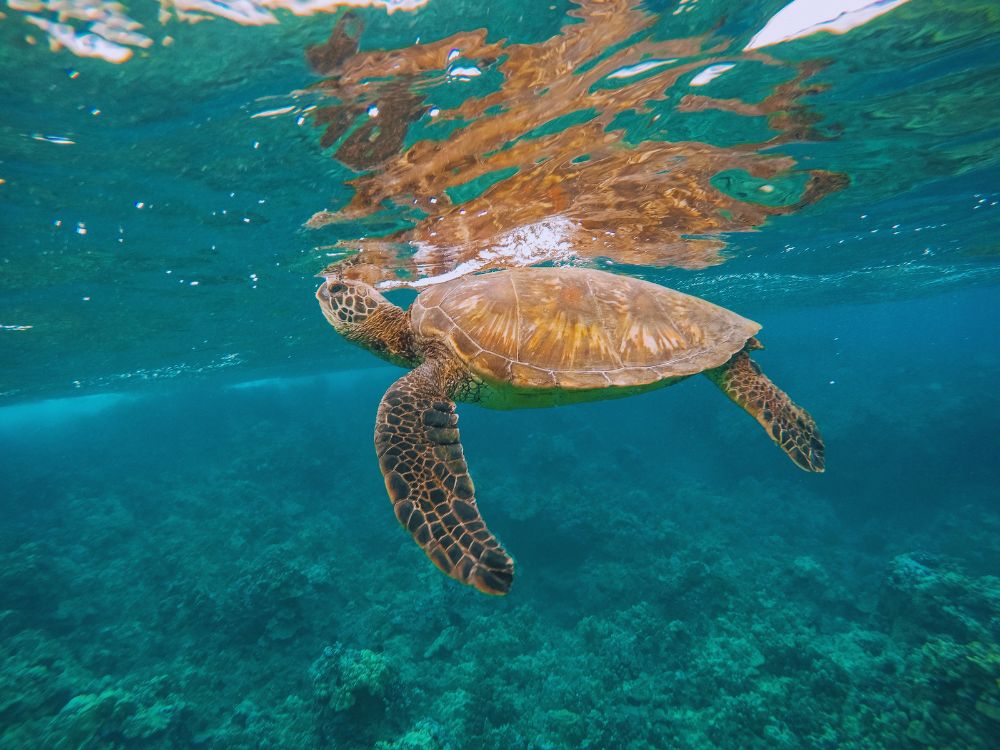
Why it’s great for kids:
Coral Gardens is a sheltered spot with colorful coral and friendly fish. The area is less crowded than other Maui beaches, making it peaceful for families.
Safety level:
- Protected by cliffs from strong waves
- Shallow reef areas
- No lifeguard—parents must supervise closely
Best age suitability:
Ages 6 and up. Confident swimmers do best here.
Tips for parents:
- Use a flotation noodle for tired kids
- Check weather before you go—avoid windy days
- Watch for boats near the snorkeling area
5. Smith’s Reef, Providenciales, Turks And Caicos
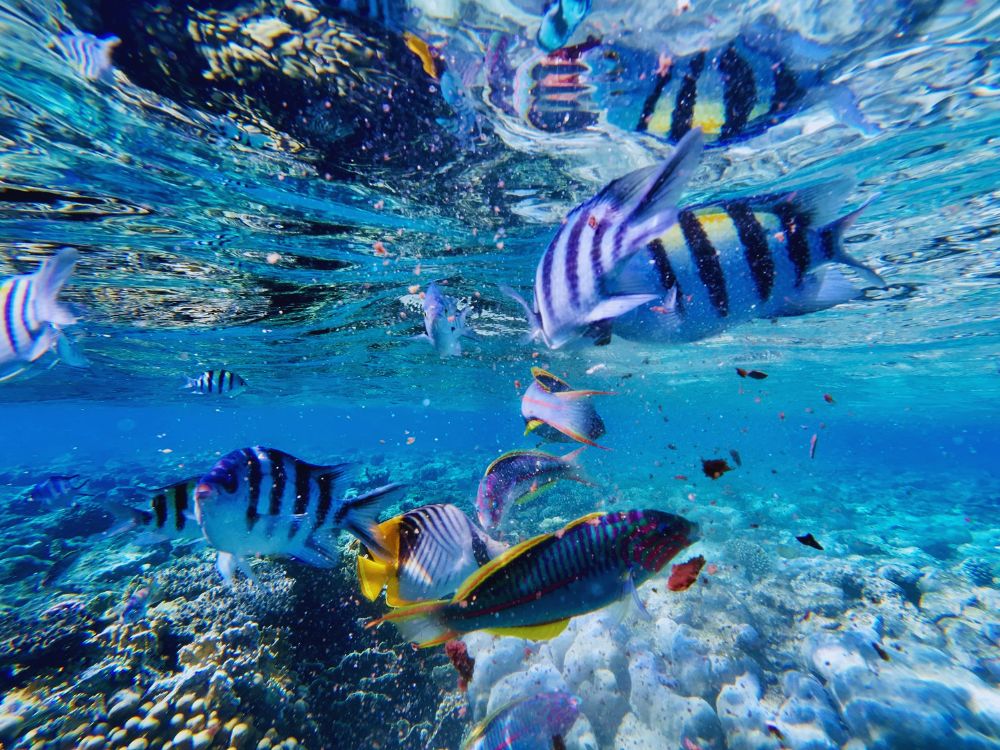
Why it’s great for kids:
Smith’s Reef has easy shore access and plenty of small fish close to the sand. The reef is not far from the beach, so kids don’t have to swim far.
Safety level:
- Gentle current
- No lifeguard
- Clear, shallow water near the entry
Best age suitability:
Ages 5 and up. Good for families with some snorkeling experience.
Tips for parents:
- Wear water shoes to protect feet
- Supervise at all times
- Avoid touching coral—some parts are sharp
6. Baby Beach, Aruba
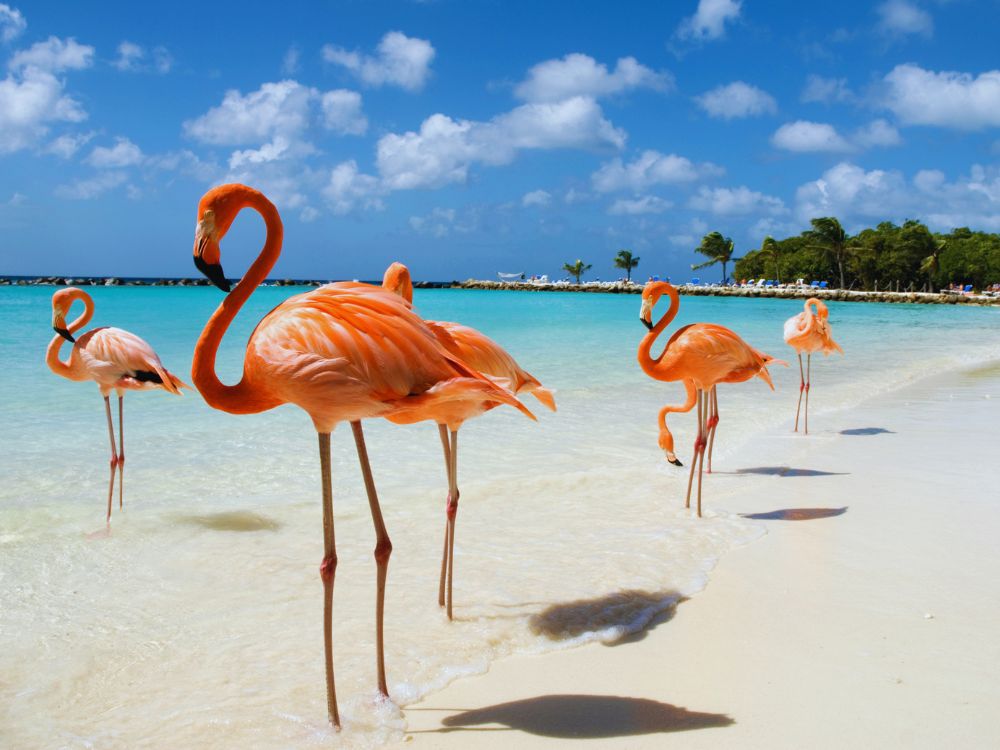
Why it’s great for kids:
Named for its safety, Baby Beach is a shallow lagoon with almost no waves. The water is warm, and the sandy bottom is soft. It’s perfect for young children who want to try snorkeling for the first time.
Safety level:
- Very calm, lagoon-like water
- No lifeguard, but visibility is good
- Shallow everywhere
Best age suitability:
Ages 2 and up. Toddlers can play safely in the water.
Tips for parents:
- Bring a sunshade or umbrella
- Floaties or swim vests help beginners
- Pack snacks and water—few shops nearby
7. Shark’s Cove, Oahu, Hawaii, USA
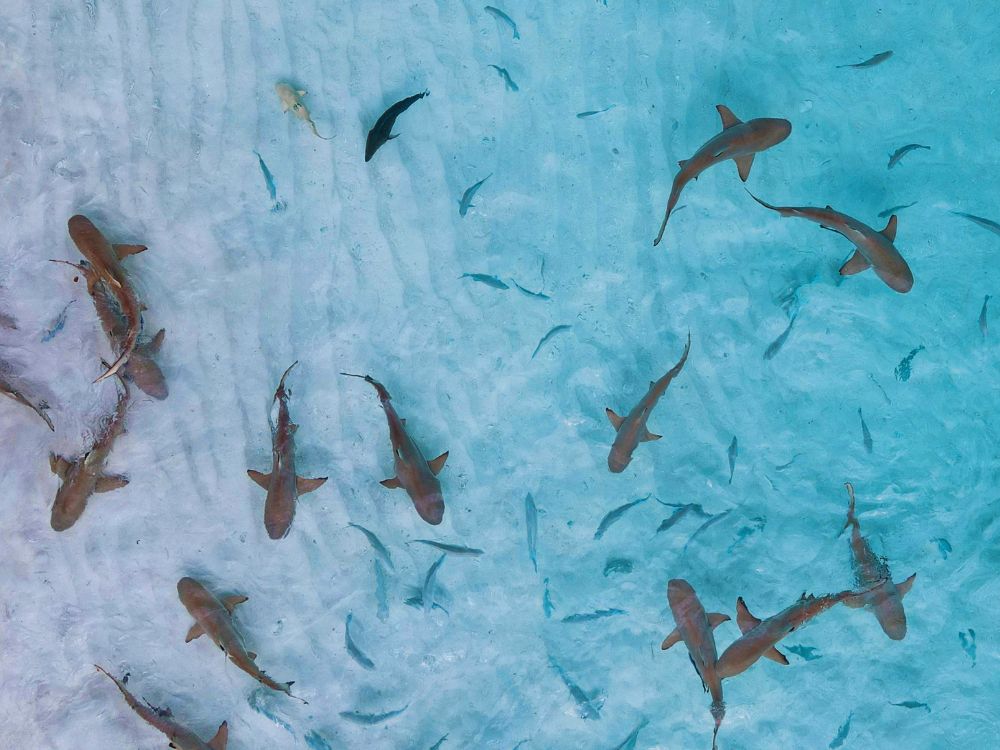
Why it’s great for kids:
Despite the name, Shark’s Cove is safe and full of small fish and tide pools. The lava rock formations create natural pools where kids can explore safely.
Safety level:
- Calm in summer, rougher in winter
- No lifeguard
- Shallow tide pools for young children
Best age suitability:
Ages 7 and up in the main cove; younger kids enjoy the tide pools.
Tips for parents:
- Visit in summer for calm water
- Check the tide—go at low tide for safer pools
- Water shoes are helpful for rocky areas
8. Grace Bay, Providenciales, Turks And Caicos
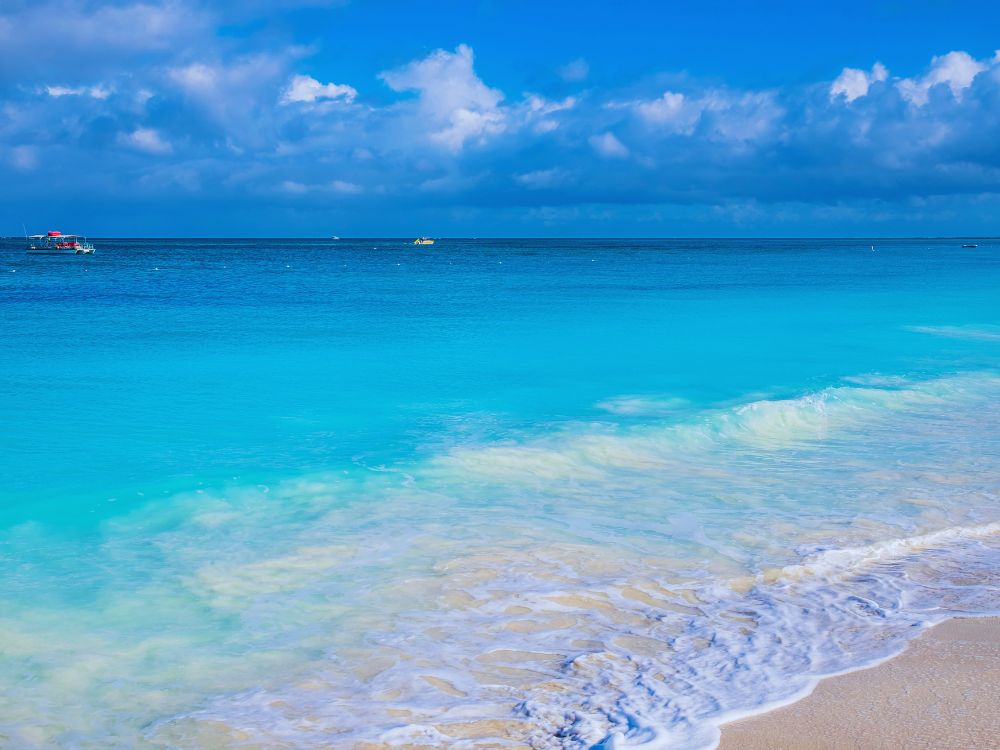
Why it’s great for kids:
Grace Bay is world-famous for its soft sand and turquoise water. The beach is wide and open, with gentle waves and plenty of space for families.
Safety level:
- Very calm, clear water
- Lifeguards at some resorts
- Shallow areas for young swimmers
Best age suitability:
Ages 3 and up. Good for all ages, including toddlers.
Tips for parents:
- Choose a spot near a resort with lifeguards
- Pack extra water and shade
- Bring a waterproof camera for underwater photos
9. Lydgate Beach Park, Kauai, Hawaii, USA
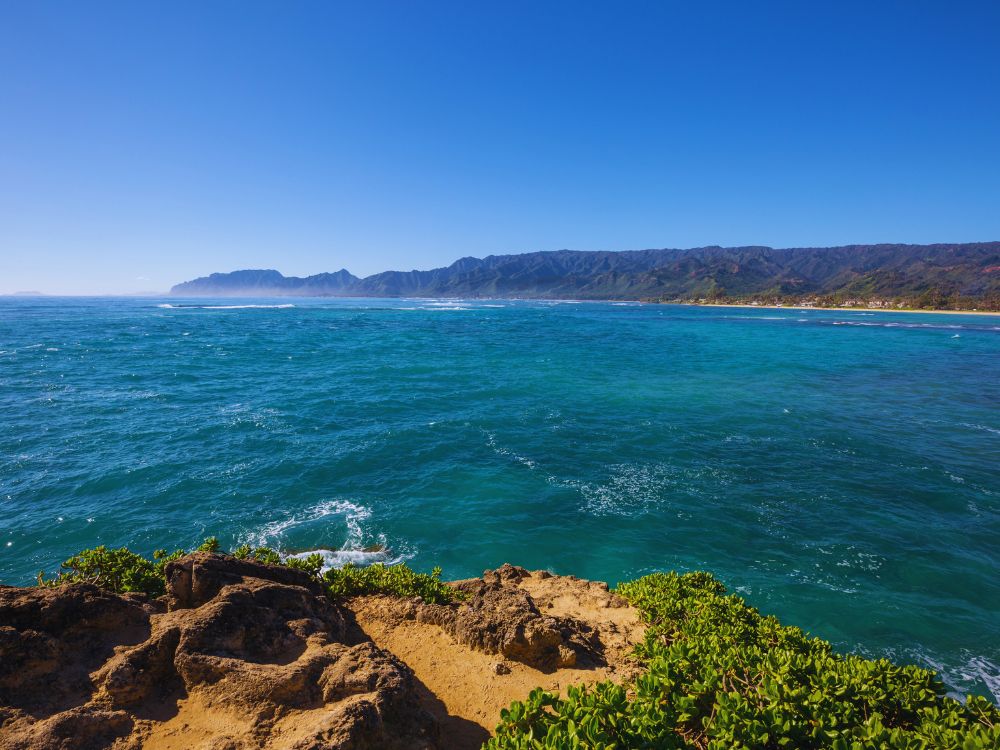
Why it’s great for kids:
Lydgate Beach Park has a special rock-enclosed swimming area, making it one of the safest spots for snorkeling with kids in Hawaii. The water is calm, with small fish and clear views.
Safety level:
- Rock wall protects from waves
- Lifeguards on duty
- Shallow pool area
Best age suitability:
Ages 2 and up. Safe for toddlers and young kids.
Tips for parents:
- Use the protected pool for young children
- Picnic tables and playground nearby
- Arrive early to get a good spot
10. Cane Bay, St. Croix, Us Virgin Islands
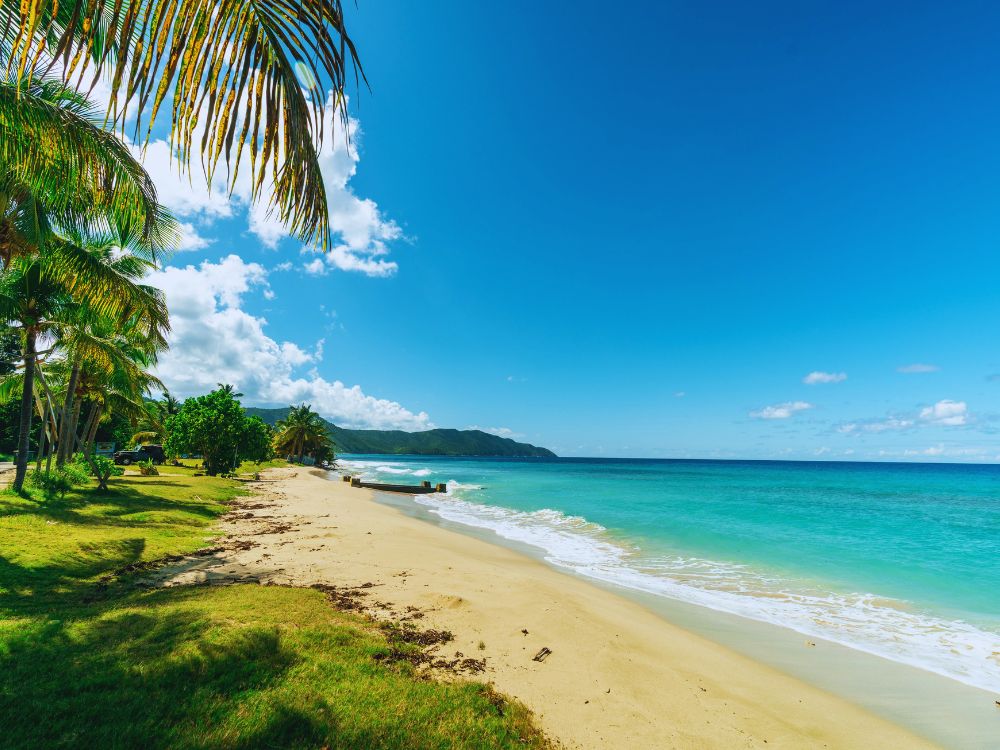
Why it’s great for kids:
Cane Bay offers an easy walk-in beach with soft sand and colorful reefs close to shore. The water is usually gentle, and marine life is abundant.
Safety level:
- Gentle waves most of the year
- No lifeguard
- Sandy entry, shallow near the beach
Best age suitability:
Ages 6 and up. Best for kids who can swim.
Tips for parents:
- Supervise closely, as there’s no lifeguard
- Use a rash guard for sun protection
- Plan for shade—trees offer some cover
11. Playa Chica, Lanzarote, Canary Islands, Spain
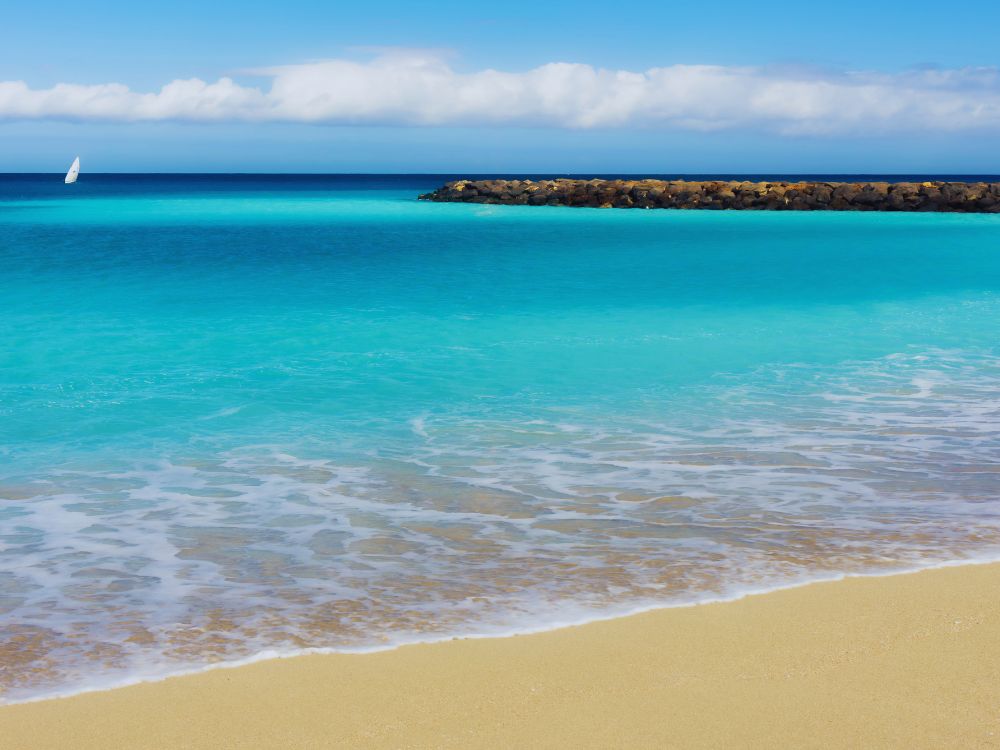
Why it’s great for kids:
Playa Chica is a small, sheltered beach with calm water and a lively underwater world. The beach is easy to watch from the shore, making it comfortable for parents.
Safety level:
- Sheltered from big waves
- Lifeguard present in summer
- Shallow near the sand
Best age suitability:
Ages 4 and up. Nice for beginners.
Tips for parents:
- Go early for less crowd
- Check lifeguard hours
- Local shops rent gear for kids
12. Coki Beach, St. Thomas, Us Virgin Islands
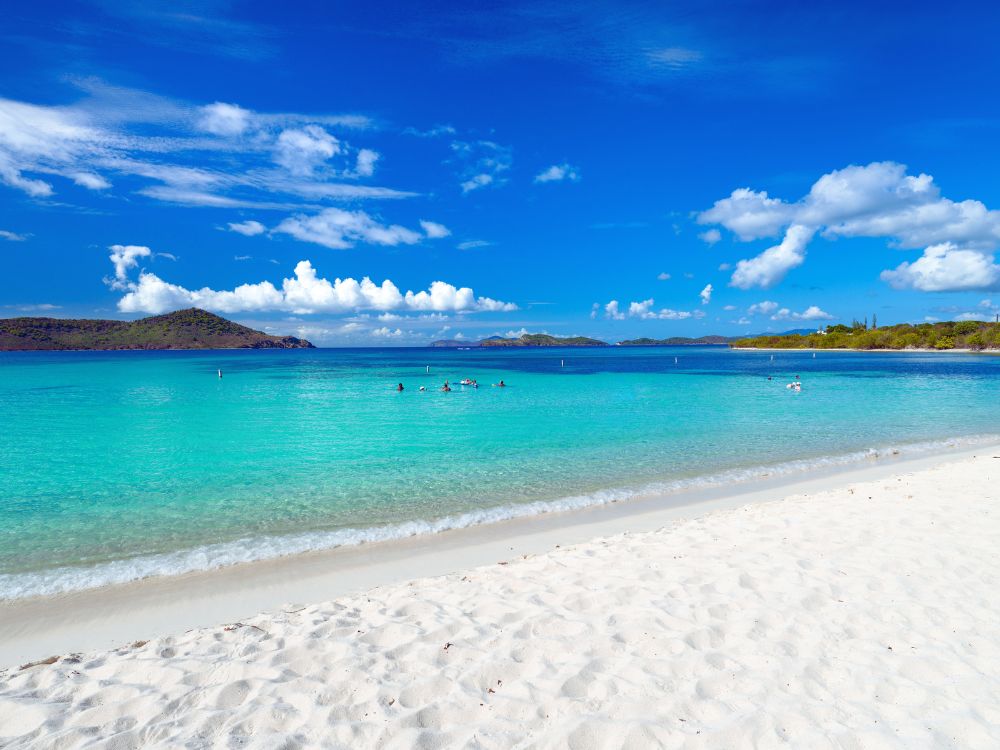
Why it’s great for kids:
Coki Beach has very clear water and lots of friendly fish that come right up to swimmers. You don’t need to swim far to see marine life.
Safety level:
- Calm water most of the year
- Lifeguards sometimes present
- Sandy bottom, shallow entry
Best age suitability:
Ages 5 and up. Good for first-time snorkelers.
Tips for parents:
- Bring bread or fish food—kids love feeding the fish
- Watch for waves during windy weather
- Stay close to shore with young children
13. Tunnels Beach, Kauai, Hawaii, USA
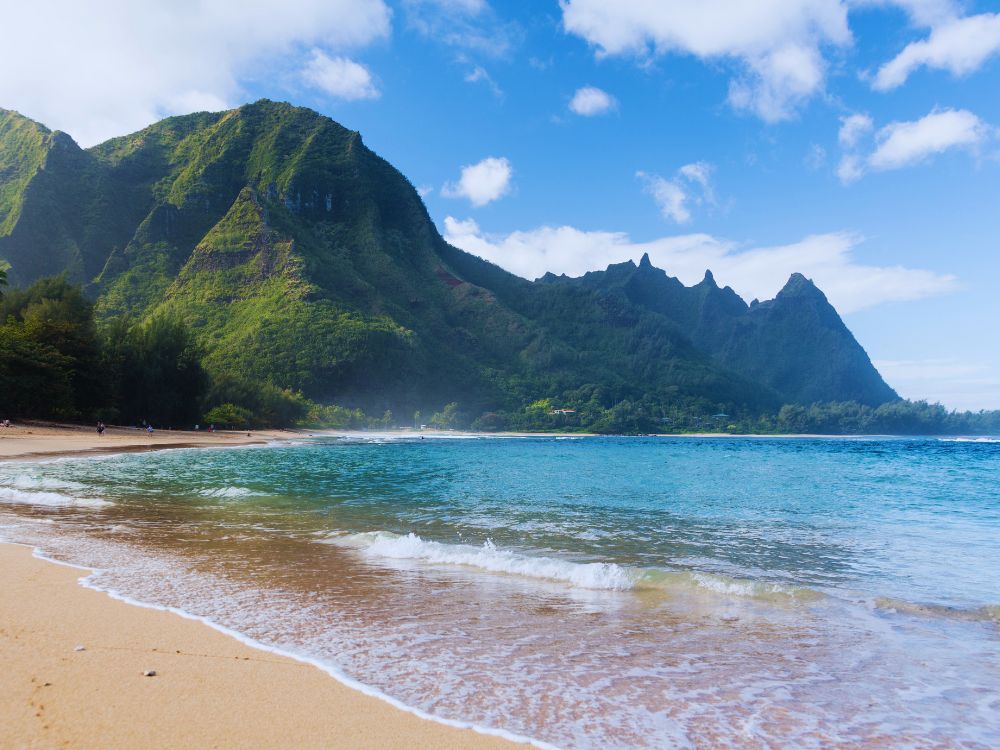
Why it’s great for kids:
Tunnels Beach is famous for its coral formations and rich marine life. In summer, the water is calm, and the reef is close, making it easy for kids to spot fish.
Safety level:
- Calm in summer, rough in winter
- No lifeguard
- Shallow reef areas
Best age suitability:
Ages 7 and up. Best for confident swimmers.
Tips for parents:
- Only snorkel in summer
- Bring reef-safe sunscreen
- Stay close to the beach for safety
14. Clearwater Beach, Florida, USA
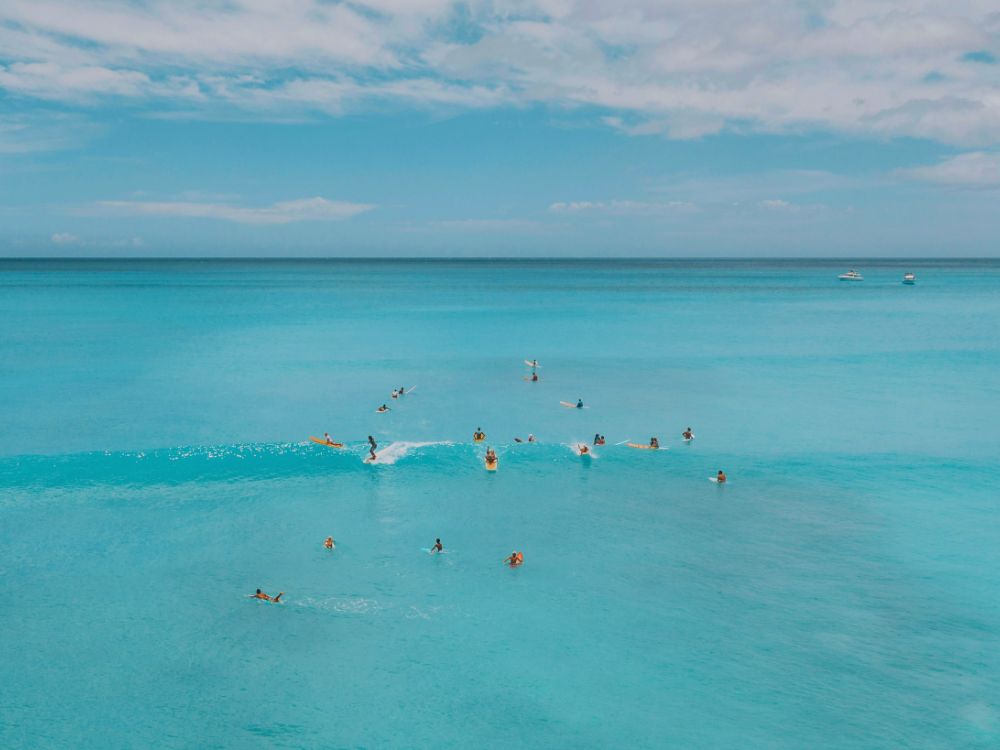
Why it’s great for kids:
Clearwater Beach offers gentle waves, white sand, and a family-friendly vibe. There are small reefs near shore where children can spot fish.
Safety level:
- Lifeguards on duty
- Calm, shallow water
- Marked swimming zones
Best age suitability:
Ages 3 and up. Great for families with young children.
Tips for parents:
- Use public restrooms and showers for convenience
- Visit the nearby aquarium for more sea fun
- Sun hats and rash guards help protect from sun
15. Nissi Beach, Ayia Napa, Cyprus
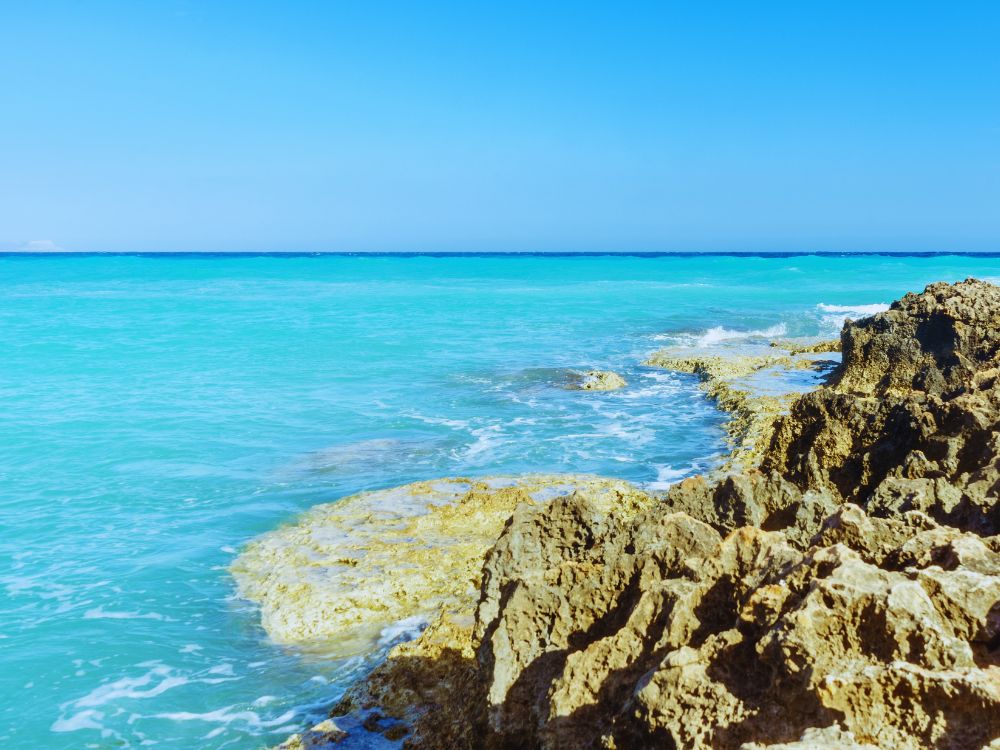
Why it’s great for kids:
Nissi Beach is known for its shallow, crystal-clear water and soft sand. The area is protected, so even small children can enjoy the sea safely.
Safety level:
- Shallow water, gentle waves
- Lifeguards present
- Sandy bottom
Best age suitability:
Ages 2 and up. Perfect for toddlers and young kids.
Tips for parents:
- Arrive early to find a good spot
- Rent umbrellas for shade
- Bring snacks and plenty of water
Is Snorkeling Safe For Kids?
Many parents worry about safety when it comes to snorkeling with kids. The good news is, snorkeling is safe for children if you choose the right beach, use the proper gear, and supervise closely. Beaches with calm, shallow water and lifeguards are best for beginners. Always check weather conditions before heading out.
Here are some key safety tips:
- Pick beaches with gentle waves and sandy entry points
- Make sure your child wears a flotation vest or swim aid if needed
- Teach your child basic snorkeling skills in a pool before trying the sea
- Never leave children unattended in or near the water
- Avoid snorkeling where there are strong currents or big waves
Even confident swimmers need adult supervision. Many beaches on this list are suitable for toddlers and young kids, as long as parents stay close.
Credit: destinationlesstravel.com
What To Pack For Kids Snorkeling
Packing the right items can make snorkeling trips easy and fun. Here’s a simple checklist for families:
- Child-size snorkel mask: Fits better and is more comfortable
- Snorkel tube: Choose a dry-top snorkel to prevent water from entering
- Swim fins: Optional, but help kids move easily
- Swim vest or floaties: For extra safety, especially for young children
- Rash guard or swim shirt: Protects skin from sun and jellyfish
- Reef-safe sunscreen: Safe for ocean life
- Water shoes: Protect feet from rocks and hot sand
- Towel and change of clothes
- Snacks and water: Kids get hungry after swimming
- Waterproof bag: For wet items
- Sun hat and sunglasses
- First-aid kit: For small cuts or scrapes
Here’s a quick comparison of gear options for different ages:
| Item | Toddlers (2–4) | Young Kids (5–8) | Older Kids (9+) |
|---|---|---|---|
| Mask & Snorkel | Soft, small mask | Child-size, dry-top | Junior or adult size |
| Fins | Not needed | Optional, short fins | Short or long fins |
| Floatation | Swim vest essential | Vest or floaties | Optional for strong swimmers |
| Rash Guard | Yes | Yes | Recommended |
Shop safe, comfortable, and fun snorkeling gear designed just for kids
Beginner Tips For Parents
Taking kids snorkeling for the first time can feel stressful, but a few simple tips can make it a smooth and joyful experience.
1. Practice In The Pool:
Let your child try on their mask and snorkel in a pool or bathtub before the trip. This helps them get comfortable with the gear.
2. Keep Sessions Short:
Young children get tired quickly. Start with 10–15 minutes in the water, then take a break.
3. Stay Positive And Patient:
Encourage your child, even if they get nervous. Let them watch you first, and never force them if they are afraid.
4. Use Hand Signals:
Teach simple signals, like thumbs up for “okay,” so you can communicate underwater.
5. Choose The Right Time:
Snorkel in the morning when the water is calm and the sun is not too strong.
6. Supervise Closely:
Always stay within arm’s reach of your child, even if they can swim.
7. Check Beach Conditions:
Ask locals or lifeguards about current water conditions before entering.
8. Don’t Touch Marine Life:
Teach children to look but not touch. Some creatures can bite or sting.
9. Take Breaks:
Bring snacks and water. Rest often to keep energy and spirits high.
Here’s a summary of top beginner mistakes and how to avoid them:
| Mistake | How to Avoid |
|---|---|
| Mask leaks | Test and adjust fit before water entry |
| Water in snorkel | Use dry-top snorkels for kids |
| Sunburn | Apply reef-safe sunscreen and use rash guards |
| Too much sun/heat | Take breaks in shade, drink water |
| Getting tired | Use floatation devices, keep sessions short |
Extra Tips For A Fun And Safe Snorkeling Day
- Pick a family-friendly beach with bathrooms and shade
- Bring a small bucket or net for kids to look at shells (but return them to nature)
- Take lots of photos—underwater cameras are fun!
- Plan a backup activity in case the sea is rough or weather changes
- Read up on local wildlife so you know what to look for
If you want more detailed information, the Snorkeling Report has helpful guides for families.
Frequently Asked Questions
How Old Should My Child Be To Try Snorkeling?
Most kids can start snorkeling at age 4 or 5, if they are comfortable in water. Some beaches are safe for toddlers to splash with a mask. Every child is different—let your child set the pace.
What If My Child Is Afraid To Put Their Face In The Water?
Start slow, with games in shallow water or a pool. Let them watch fish with goggles first. Never force a child; fun and comfort are most important.
Do I Need To Buy Special Snorkeling Gear For Kids?
Yes, child-size masks and snorkels fit better and are more comfortable. Look for a dry-top snorkel to keep water out, and use a swim vest for safety.
Are There Health Risks To Snorkeling With Kids?
Most risks come from sunburn, fatigue, or swallowing sea water. Always use sunscreen, take breaks, and watch for signs of tiredness. Avoid rough water and always supervise.
What Should I Do If My Child Gets Scared Or Tired In The Water?
Stay calm, help them float, and return to shore. Always stay close, and keep sessions short. Praise your child for trying, even if they don’t stay long in the water.
Snorkeling with kids is one of the best ways to introduce them to the wonders of the ocean. With the right beach, good gear, and a little patience, your family can enjoy a safe, fun, and unforgettable adventure together. Choose any of these family-friendly beaches for your next trip, and you’ll have memories to last a lifetime.