


Planning a family trip sounds exciting-until the questions start piling up. How do you travel with kids without creating piles of waste? Can you choose destinations that are fun and kind to the planet? And is sustainable travel even realistic for busy families?
The good news: it is. Sustainable and responsible family travel isn’t about perfection or expensive eco-resorts. It’s about making small, thoughtful choices that add up to a better experience for your family and the places you visit. From picking eco-friendly destinations to traveling lighter and supporting local communities, a little planning goes a long way.
In this guide, you’ll learn how to plan trips that create lasting memories while respecting nature and local cultures. Simple steps. Realistic ideas. Travel your kids will love-and your future self will feel good about.
Top 3 Eco-friendly Destinations
Selecting destinations that prioritize sustainability sets the tone for your family’s entire journey. Eco-friendly destinations are committed to preserving natural resources, promoting conservation, and providing education about local ecosystems. For example, Costa Rica is renowned for its dedication to environmental stewardship-over 25% of its land is protected in national parks and reserves. According to the Costa Rican Tourism Board, the country generates more than 98% of its electricity from renewable sources, making it a leader in green tourism.
Other top sustainable travel spots include:
- Iceland: Powered almost entirely by geothermal and hydroelectric energy, Iceland offers families the chance to explore glaciers, geysers, and volcanic landscapes with minimal environmental impact.
- Norway: Known for its pristine fjords and commitment to eco-initiatives, Norway has a robust ecotourism sector and invests heavily in sustainable infrastructure.
- Hawaii (USA): Many Hawaiian resorts and tour operators participate in reef-safe programs, native species protection, and responsible wildlife encounters.
When planning, look for destinations certified by reputable organizations such as Green Destinations or those with a strong focus on community-based tourism. These places often offer unique, enriching experiences—like guided nature walks or cultural workshops—that are both educational and environmentally sound.
How to Minimizing Your Travel Footprint
Sustainable family travel is not just about where you go, but how you go. Reducing your travel footprint involves making thoughtful choices before, during, and after your trip.
Transportation
Air travel is a major contributor to carbon emissions. To reduce your impact:
- Choose direct flights when possible—takeoff and landing produce the most emissions.
- Consider trains or buses for shorter distances, which generally have a lower environmental impact.
- Offset your carbon emissions through reputable programs like Gold Standard or Cool Effect.
Accomodation
Accommodation opt for eco-certified hotels or family lodges that practice energy conservation, waste reduction, and water-saving measures. The Global Sustainable Tourism Council (GSTC) provides a list of certified properties worldwide.
On the Ground: Practice the “leave no trace” principle by:
- Using reusable water bottles and bags
- Recycling and composting where available
- Respecting wildlife and natural habitats
A recent Sustainable Travel Report by Booking. com found that 83% of global travelers think sustainable travel is vital, with 61% saying the pandemic has made them want to travel more sustainably in the future.
How Sustainable and Responsible Family Travel Supporting Local Communities
Responsible travel means ensuring your trip benefits the people and places you visit. Supporting local communities can transform your family vacation into an opportunity for meaningful connection and positive impact.
Ways to Support Locally:
- Stay Local: Choose family-run hotels, guesthouses, or homestays.
- Eat Local: Dine at family-owned restaurants and sample traditional cuisine.
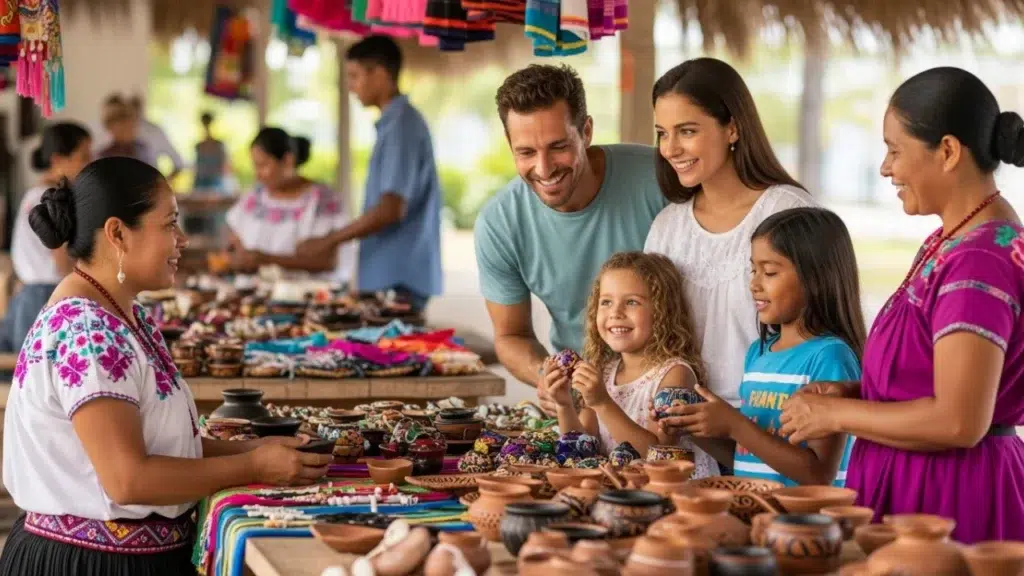
- Shop Local: Purchase handicrafts and souvenirs directly from artisans and local markets.
- Hire Local Guides: Enhance your understanding of the culture and environment while contributing directly to the local economy.
According to the United Nations World Tourism Organization (UNWTO), for every $100 spent on a vacation by a tourist from a developed country, only about $5 remains in the destination’s economy. By making mindful choices, families can help increase that figure and foster genuine, sustainable development.
What is sustainable and responsible family travel?
Sustainable and responsible family travel means making smart choices that protect the planet and help local people. Pick eco-friendly destinations. Cut your carbon footprint. Support local businesses instead of big chains. Teach your kids to respect nature and different cultures while creating great memories.
How can I make my family vacation more sustainable?
Book direct flights to cut emissions. Stay in eco-certified hotels. Pack reusable water bottles and bags. Eat at local restaurants. Buy souvenirs from artisans, not tourist shops. Choose outdoor activities that don’t harm nature. These simple steps make sustainable and responsible family travel easy.
What are the most sustainable destinations for families?
Costa Rica leads with protected rainforests and 98% renewable energy. Iceland runs on geothermal power and offers glacier adventures. Norway has pristine fjords and green infrastructure. Hawaii protects reefs and native species. These destinations excel at sustainable and responsible family travel with kid-friendly activities.
Does sustainable family travel cost more money?
No. Sustainable and responsible family travel often costs less. Family-run guesthouses beat hotel chains on price. Local restaurants are cheaper than tourist traps. Public transit saves money. Free hiking, beach visits, and cultural events provide amazing experiences without the hefty price tag.
How does responsible travel help local communities?
Sustainable and responsible family travel keeps money where it belongs-with local people. Stay in family-owned places. Eat where locals eat. Hire local guides. Buy crafts directly from makers. Your spending creates jobs and preserves traditions instead of enriching international corporations.
Final Words
Sustainable and responsible family travel is not a trend but a necessary shift. By choosing eco-friendly destinations, minimizing your travel footprint, and supporting local communities, your family can explore the world in a way that honors both people and planet—creating a positive legacy for generations to come.