
Scuba diving opens up a new world under the sea, full of color, life, and adventure. For families, it’s a chance to connect in a unique environment, learn together, and create memories that last a lifetime. But diving as a family needs good planning, the right gear, and careful attention to safety. Whether your children are young teens or older, preparing well is the key to a fun and safe experience. This guide covers everything you need to know about scuba diving essentials for family trips—from choosing equipment to understanding safety, travel tips, and what to expect underwater.
Why Choose Scuba Diving For Family Trips?
Scuba diving is more than just an activity; it’s an experience that teaches teamwork, responsibility, and respect for the ocean. Diving together helps families:
- Bond through shared adventure and learning.
- Develop new skills like communication and problem-solving.
- Explore nature in a way few other activities offer.
Many destinations offer family-friendly dive sites with calm, shallow waters and plenty of marine life. With the right preparation, diving is accessible even for beginners and teens.
Essential Scuba Diving Gear For Families
Having the right gear is critical for safety and comfort. While most dive shops provide rentals, owning some personal equipment can make your trip smoother.
Must-have Personal Gear
1. Masks And Snorkels
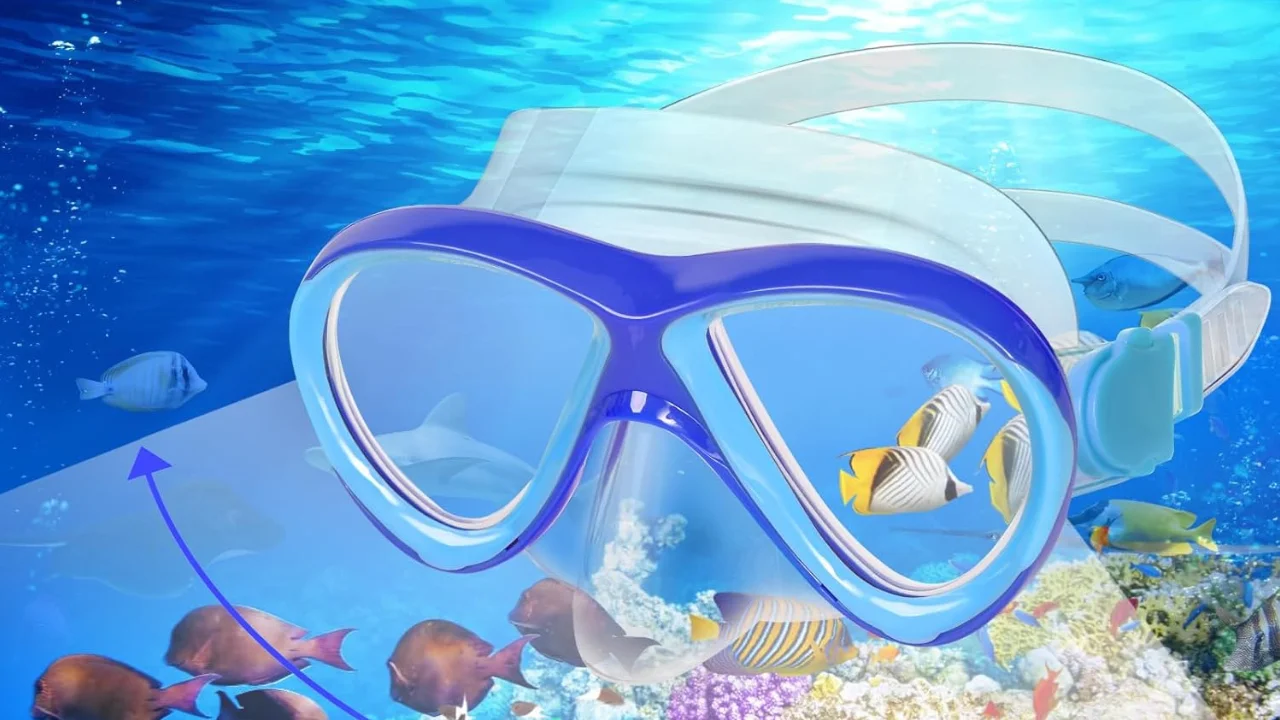
A well-fitting mask prevents leaks and fogging. Kids’ faces are smaller, so choose a mask designed for their size. A dry-top snorkel helps beginners breathe easily at the surface.
2. Fins
Fins should fit snugly but not too tight. Open-heel fins with adjustable straps are ideal for growing children.
3. Wetsuits Or Rash Guards
Wetsuits offer thermal protection in cooler water and shield from sunburn and scrapes. For tropical waters, a rash guard may be enough.
Core Scuba Equipment
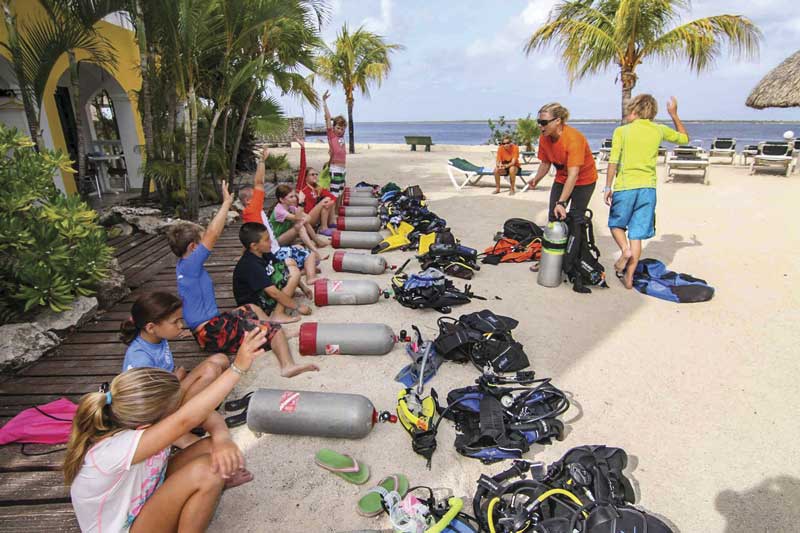
The following items are often included in rental packages, but it’s important to understand their role:
- Buoyancy Control Device (BCD): Helps divers float or sink at will.
- Regulator: Delivers air from the tank.
- Dive Computer: Tracks depth and time, helping to avoid decompression sickness.
- Tank and Weights: Provide breathing air and help control buoyancy.
Kids’ Gear Vs. Adults’ Gear
Children require smaller, lighter equipment. Here’s a quick comparison:
| Item | Adult Size | Kid Size |
|---|---|---|
| Mask | Standard frame, wider seal | Narrower frame, smaller skirt |
| Fins | Longer blades | Shorter, flexible blades |
| BCD | Large volume, integrated weights | Low profile, lightweight |
| Wetsuit | 3–5 mm thickness | 2–3 mm, flexible material |
Investing in some personal gear, like masks and fins, ensures a better fit and less risk of discomfort.
Grab These Must-Have Scuba Items Before Your Trip
Training And Certification: What Families Need To Know
Before you dive, everyone must be trained. Most dive centers require certifications, especially for open water dives.
Minimum Age And Family Courses
Most scuba organizations (like PADI and SSI) allow children to start training at age 10. The most popular entry-level course is the Junior Open Water Diver. This course teaches:
- Basic theory and safety
- Underwater skills
- Communication signals
Teens and adults often do the regular Open Water Diver course. Many dive centers offer family-oriented classes, making learning enjoyable and less intimidating.
Choosing The Right Training Center
Pick a center with:
- Certified, experienced instructors
- Good safety records
- Positive reviews from other families
Always ask if they have experience working with children and families.
Safety Essentials For Family Scuba Diving
Diving is safe if you follow the rules. For families, safety means extra planning and awareness.
Pre-dive Checks And Health Considerations
Before every dive, do a full buddy check—this means everyone inspects their gear and each other’s. If anyone feels unwell (cold, cough, or ear pain), skip the dive. Kids are more sensitive to cold and fatigue, so plan shorter, shallower dives.
Safe Depths And Dive Profiles
Young divers should stay within recommended limits:
- Ages 10–12: Maximum 12 meters (40 feet)
- Ages 12+: Maximum 18 meters (60 feet)
Stay within your family’s certification level. Don’t push limits, even if conditions seem easy.
Emergency Planning
Every family should discuss:
- Hand signals for problems
- What to do if separated
- Emergency ascent procedures
Bring a surface marker buoy so boats can see you. Always dive with a guide if you’re new to an area.
Insurance And Medical Precautions
Consider dive-specific insurance, which covers rare emergencies like decompression sickness. Most regular travel insurance does not. Also, check local medical facilities at your destination.
Credit: divermag.com
Planning A Family-friendly Scuba Trip
Choosing the right location and timing can make or break your trip.
Top Destinations For Family Diving
Some places are famous for being family-friendly, with calm waters and good facilities. Here’s a comparison of three popular destinations:
| Destination | Best Season | Water Conditions | Marine Life |
|---|---|---|---|
| Cozumel, Mexico | Nov–May | Calm, clear, warm | Turtles, rays, colorful reefs |
| Great Barrier Reef, Australia | Jun–Nov | Calm, clear | Corals, clownfish, sea turtles |
| Bonaire, Caribbean | Year-round | Gentle currents | Parrotfish, moray eels |
Choose destinations with shore diving options, so you don’t need to spend long hours on a boat.
10 Best Places for Family Scuba Diving
Timing And Weather
Plan your trip in the best season for your destination. Avoid stormy months. Water temperature and visibility can change quickly—research before you go.
Booking And Logistics
- Reserve early, especially during school breaks.
- Confirm gear sizes with the dive shop in advance.
- Ask about family discounts and group packages.
Packing Tips For Scuba Diving Families
Pack smart to avoid stress and forgotten items.
What To Bring
- Certification cards and logbooks
- Personal masks and snorkels
- Rash guards or wetsuits
- Waterproof sunscreen
- Swimwear and towels
- Motion sickness tablets (if boat diving)
- Waterproof bags for wet items
Documents And Extras
Bring copies of:
- Travel insurance
- Dive insurance
- Medical certificates (if needed)
Some destinations require proof of age for young divers.
Special Tips
- Pack extra snacks and water—diving can make you hungry.
- Bring entertainment (like books or games) for surface breaks.
- Double-check batteries for dive computers or cameras.
Underwater Etiquette And Family Communication
Diving is a social activity, and good habits keep everyone safe.
Hand Signals And Buddy System
Learn and practice standard underwater signals before the trip. Make sure kids remember signals for “OK”, “Up”, “Down”, “Out of air”, and “Problem”.
Always dive in pairs (the buddy system). Never let children dive alone.
Respecting Marine Life
Teach children to:
- Watch without touching animals or coral
- Keep a safe distance from all creatures
- Avoid stirring up sand, which can damage the reef
Small actions protect fragile ecosystems and help everyone enjoy the view.
Making The Most Of Your Family Dive
A family trip is about fun, not just checking off dives. Try these tips for a richer experience:
- Let each family member choose a dive site or activity.
- Keep dive logs together—make notes or sketches about what you see.
- Plan non-diving activities, like snorkeling, beach visits, or local tours.
Some families enjoy underwater photography—give kids a simple camera to capture their view of the ocean.
Common Mistakes To Avoid
Even experienced travelers make errors. Watch out for these pitfalls:
- Skipping pre-dive checks: Rushing can lead to gear problems.
- Ignoring weather reports: Unsafe conditions can ruin the trip.
- Overpacking: Bringing too much gear makes travel harder, especially with kids.
- Not drinking enough water: Dehydration increases the risk of sickness.
- Pushing children too far: Let kids set the pace and take breaks as needed.
Parents often forget that children get cold faster and tire more easily. Build in plenty of rest time.
Scuba Diving And Family Bonding
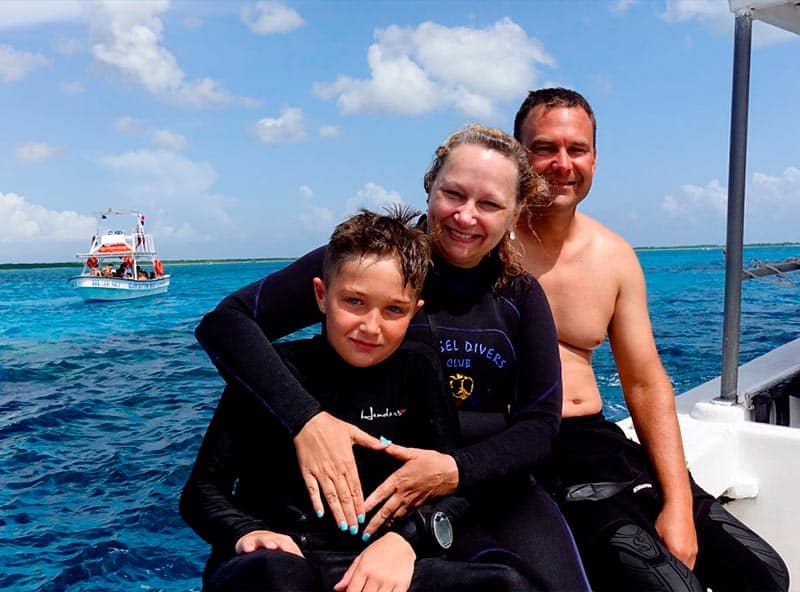
Scuba diving can deepen family bonds. Working together underwater builds trust and communication. Many families say that diving creates strong memories and stories to share for years. It’s also a chance to teach children about the ocean, conservation, and the importance of protecting nature.
Credit: www.dresseldivers.com
Useful Resources And Further Reading
For more in-depth information about dive courses, safety, and family-friendly destinations, see the official Scuba diving Wikipedia page.
Frequently Asked Questions
What Is The Minimum Age For Children To Start Scuba Diving?
The minimum age is usually 10 years old for most international dive organizations like PADI or SSI. Some local programs may offer “bubble maker” experiences for younger kids in shallow water.
Do We Need To Buy All Our Own Gear For A Family Dive Trip?
No, most dive shops provide all major equipment for rent, including BCD, regulator, and tanks. However, bringing your own mask, snorkel, and fins ensures better fit and comfort, especially for children.
How Can We Keep Children Safe While Scuba Diving?
Keep dives within their training limits, do full buddy checks before each dive, and never pressure kids to continue if they feel uncomfortable. Stay close, use clear hand signals, and choose calm dive sites.
Are There Family-friendly Dive Destinations For Beginners?
Yes, places like Bonaire, Cozumel, and the Great Barrier Reef are popular for their easy conditions, clear water, and plenty of shallow reefs that are perfect for families and beginners.
Final Thoughts
Use the agreed hand signal for “problem” and ascend together slowly. Stay calm, hold hands if needed, and surface for a break. Most problems can be fixed at the surface with good communication and a supportive attitude.
A family scuba trip is an adventure you’ll never forget. With the right preparation, attention to safety, and a spirit of discovery, you’ll enjoy the wonders of the underwater world together—one dive at a time.