


As an Amazon Associate, we earn from qualifying purchases. This post contains affiliate links – if you buy through them, we may earn a commission at no extra cost to you.
Selecting illustrated travel volumes depends on how you prefer to explore the world from home. Some readers seek broad global inspiration, while others require practical plans for specific regions. Your preference typically depends on whether you value high-quality photography, structured itineraries, or thematic destination lists. Lonely Planet The Travel Book offers a wide-reaching view for those wanting a complete global survey, while National Geographic National Parks caters to those focused on domestic exploration and specific site details.


1. Lonely Planet The Travel Book
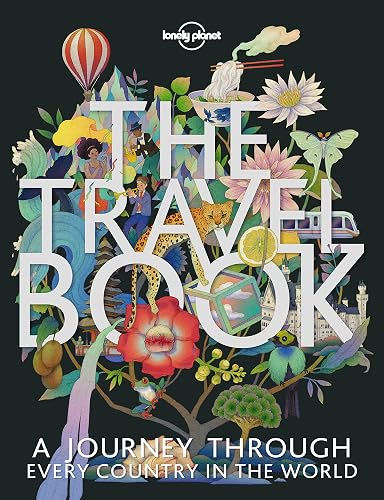

Best for: Someone who wants a comprehensive overview of every country globally.
This book serves as a broad reference for those interested in the entire world at once. It provides a structured look at every nation, making it a solid choice for readers who enjoy browsing through diverse cultural insights and geographic facts.
Because it covers so much ground, it works well as a coffee table centerpiece for guests. However, it isn’t for the traveler who needs deep, step-by-step guidance for a single destination. The breadth of the content limits the depth provided for any one place.
If you’re planning a trip to a specific city or region, this book will leave you wanting more. You should choose a specialized guidebook instead. Use this volume for inspiration and general knowledge rather than logistics.
Good if:
- You enjoy learning about diverse cultures.
- You want a complete global reference.
- You appreciate detailed maps and tips.
Skip it if:
- You need deep, multi-day itinerary planning.
- You prefer focusing on one specific region.
- You require practical, on-the-ground travel advice.
2. Lonely Planet Dream Trips


Best for: Travelers who need structured plans for their next big vacation.
This book focuses on 100 destinations, providing itineraries that range from two days to three weeks. It’s designed to take the guesswork out of vacation scheduling by offering ready-made routes and insider advice for various trip lengths.
The itineraries are the main draw here, helping you visualize how to spend your time effectively. Use this guide if you’re short on time and need a professional roadmap for a quick getaway or a longer excursion.
It isn’t the right choice if you prefer wandering aimlessly or if you’re looking for a purely visual book with minimal text. If you enjoy the process of researching every single stop yourself, this book will feel too restrictive.
Good if:
- You want clear, ready-to-use itineraries.
- You’re planning a trip of varying lengths.
- You like having insider travel tips.
Skip it if:
- You want a purely photographic experience.
- You prefer planning every detail yourself.
- You dislike following a set schedule while traveling.
3. National Geographic Destinations Lifetime


Best for: Readers who prioritize stunning photography of global landmarks.
This collection highlights 225 amazing places, focusing on the visual impact of each location. It’s an ideal pick for anyone who finds inspiration through high-quality imagery and wants to see the world’s most beautiful spots.
The book excels at capturing the scale and beauty of these destinations. It isn’t designed for practical logistics. If you need transit information or hotel recommendations, you’ll need to look elsewhere.
The decision rule is simple: choose this volume for visual discovery rather than trip planning. If you’re currently booking flights or mapping out a daily itinerary, this book won’t provide the necessary data. However, if you’re in the early dreaming phase of travel, its breadth serves as an excellent starting point.
Good if: * You value high-quality, inspiring photography. * You’re looking for a broad list of landmarks. * You enjoy “bucket list” style inspiration.
Skip it if: * You need practical, step-by-step travel logistics. * You’re looking for travel tips focused on travel options.
4. The Bucket List Adventures


Best for: Adventurous souls looking for a high volume of activity ideas.
With 1,000 adventures featured, this book is built for those who want a constant stream of inspiration. It covers both big and small trips, making it useful for planning anything from a weekend outing to a major expedition.
The sheer volume of ideas means you’ll never run out of options for your next outing. You should use this book as a menu for discovery rather than a guidebook. If you’re looking for a singular, deep dive into a specific region, you’ll likely find this collection too broad. It isn’t for the reader who wants to spend a long time focusing on the history or deep culture of just a few places.
Decision rule: If you want to check off as many unique experiences as possible, use this as your primary log. If you prefer to master the nuance of one destination, look elsewhere.
Good if: * You want a massive variety of activity options. * You enjoy both small and big adventures. * You like keeping a physical list of goals.
Skip it if: * You prefer depth over a wide variety. * You want detailed cultural background for each spot.
5. National Geographic National Parks


Best for: Those planning extensive visits to the United States park system.
Covering over 400 parks and historic sites, this is the definitive guide for domestic travelers. It organizes vast amounts of information into a readable format, making it easy to find details on specific monuments or trails.
This book is a deep dive into American geography and history. It isn’t for the reader who is looking for international travel or who prefers a more general, less detailed approach to nature tourism.
The decision rule is simple: if your itinerary spans multiple states or categories, such as combining national parks with historic sites or scenic trails, this reference is essential. If you’re only visiting a single, well-known landmark, the sheer volume of this guide may be unnecessary for your needs.
Good if:
- You’re focused specifically on US national parks.
- You want information on battlefields and scenic trails.
- You need a comprehensive, updated reference guide.
Skip it if:
- You’re planning an international vacation.
- You want a light, quick-read picture book.
- You prefer curated highlights over a complete, exhaustive directory of every recreation area and seashore.
6. Unforgettable Journeys


Best for: Travelers who want to experience the world at a slower pace.
This book encourages readers to slow down and appreciate the process of traveling. It highlights routes and destinations best enjoyed without rushing, focusing on the journey rather than just the final arrival.
It’s a great choice for those burnt out by fast-paced itineraries. If you feel exhausted by the pressure to tick boxes, this guide provides the necessary permission to linger.
The decision rule is simple: if you prioritize depth over breadth, choose this book. If you measure success by the number of pins on a map, look elsewhere.
Many travelers make the mistake of over-scheduling, which prevents them from discovering hidden local gems. By slowing down, you trade quantity for genuine connection.
Good if: * You value the experience of the journey itself. * You prefer a relaxed, slow-travel approach. * You’re looking for unique, scenic routes.
Skip it if: * You’re on a strict, fast-paced schedule. * You want to hit as many major tourist hubs as possible.
7. Lonely Planet Where to Go


Best for: Seasonal travelers who want to align trips with the best weather.
This guide organizes 300+ destinations by month. It’s incredibly useful for someone who knows when they have time off but needs help deciding where to go to ensure the best experience. The month-by-month structure makes seasonal planning very intuitive.
The decision rule is simple: if your calendar is fixed but your map is blank, this book is your primary resource. If you have a specific destination in mind and don’t care about the time of year, this book will likely frustrate you. It doesn’t provide deep-dive cultural histories or granular transit maps for individual cities.
Good if: * You need to plan based on specific months. * You want to maximize your chances of good weather. * You enjoy having a large selection of destinations.
Skip it if: * Your travel dates aren’t flexible. * You have already decided on a specific country.
The common mistake is using this for destination-first planning. You’ll pay for that error in wasted time when you find the book lacks the specific local logistics you actually need.
8. 100 Drives 5000 Ideas


Best for: Road trip enthusiasts who want to plan their own driving routes.
This book provides a massive amount of ideas for drives, including what to see and do along the way. It’s perfect for those who find the joy of travel in the act of driving across the country.
It covers a wide range of options, from short scenic loops to long-haul adventures. It isn’t for the traveler who prefers flying directly to a destination and remaining at a single resort for the duration of their trip.
The primary decision rule is simple: if you view the road itself as the destination, this guide is essential. If you view the car only as a tool to reach a hotel, you’ll find the content irrelevant.
Many readers make the mistake of treating this as a standard guidebook. They expect rigid itineraries, but this book offers raw inspiration instead. You must be willing to curate your own path.
Good if: * You love road trips and scenic driving. * You want a high number of activity ideas. * You enjoy planning your own route.
Skip it if: * You prefer air travel or public transport. * You want to base your entire vacation out of a single hotel or resort.
9. 100 Most Beautiful Places


Best for: A simple, visual experience for kids or seniors.
This book uses a minimalist approach to showcase 100 beautiful places. It’s designed to be accessible and easy to digest, making it a great choice for children or seniors who may need less clutter on the page.
Its simplicity is its greatest strength. It isn’t for the reader who wants deep text, complex history, or long-form travel advice. The book functions as a visual aid rather than a reference guide.
Decision rule: If you need a resource that minimizes cognitive load for someone with dementia or Alzheimer’s, this format is ideal. If you require logistical data, choose a traditional guidebook instead.
Good if: * You want a simple, clean visual presentation. * You’re buying for a child or senior. * You prefer minimal text.
Skip it if: * You want detailed travel tips or maps. * You’re looking for a complex guide. * You need historical context or travel planning advice.
10. America the Beautiful


Best for: Those who love US landscapes and photography.
This book tells the story of America through a series of photographs. It focuses on the aesthetic beauty of the country, making it a great addition to any home library for those who enjoy landscape art.
It’s a visual journey through the United States that highlights the natural beauty found across the nation. It isn’t for someone looking for a practical, how-to travel manual.
If you’re choosing between this and a guidebook, use this decision rule: buy this for inspiration, but buy a manual for planning. Many readers make the mistake of expecting logistics from a photo book, which leads to frustration when they find no maps or transit tips.
Good if: * You appreciate high-quality landscape photography. * You have a deep interest in American scenery. * You want a book meant for display.
Skip it if: * You need practical travel logistics or advice. * You’re looking for global destination coverage.
Where These Overlap
Many of these titles, such as Lonely Planet The Travel Book and National Geographic Destinations Lifetime, serve as broad surveys of global beauty. If you’re choosing between these two, the decision comes down to whether you prefer a structured, country-by-country index or a photo-heavy collection of landmarks. They overlap significantly in their intent to inspire, but the format of the content varies.
Other titles, like the various National Geographic and Lonely Planet guides, offer more specific utility. If you’re a road tripper, 100 Drives 5,000 Ideas provides the exact planning tools you need, whereas Unforgettable Journeys offers a philosophical approach to the same act of traveling. Choosing between these depends on whether you want a tactical list of stops or a narrative about the pace of your trip.
The most distinct options are the minimalist 100 Most Beautiful Places and the highly specific National Geographic Complete National Parks, which serve very different audiences. Use the former for visual simplicity and the latter for comprehensive data on 400+ sites. If you need a quick getaway, look to Dream Trips for itineraries ranging from two days to three weeks. If you want a vast catalog of options, The Bucket List offers 1,000 adventures.
Still Not Sure?
How often will I really use this book?
If you want a book you can pick up for a brief moment to get a quick burst of inspiration, a visual-heavy option like National Geographic Destinations Lifetime is perfect. If you need a book to actively plan a future trip, you’ll get more use out of a functional guide like Lonely Planet Dream Trips. Think about whether you want a permanent reference or a one-time planning tool.
What do I already own that this has to work with?
If you already have a shelf full of encyclopedias, you might prefer a specialized guide like National Geographic National Parks to fill a specific gap in your collection. If you’re starting from scratch, a broad overview like Lonely Planet The Travel Book provides the most value. Consider the physical space you have and whether you need general coverage or a deep dive into a niche.
What am I most likely to regret choosing?
Regret usually comes from buying a book that’s too dense when you wanted something light, or too light when you needed practical details. If you buy a complex planner filled with a vast array of travel options but only wanted pretty pictures, you might feel overwhelmed. Always check if the book leans toward text-heavy logistics or image-heavy inspiration to ensure it matches your personal reading style.
Frequently Asked Questions
Which picture book is best for planning a family road trip?
For a family road trip, this book is the most useful choice because it focuses on routes and activities rather than just destination photography. It provides specific ideas for what to see and do while you’re behind the wheel. When planning travel, it’s always helpful to consult the National Park Service to verify current access and safety requirements for the specific locations you intend to visit.
Can these books help me decide where to go in the winter?
Yes, Lonely Planet Where to Go is specifically designed for this purpose. It organizes destinations by month, so you can easily flip to the winter months to see which places offer the best experience during that time of year. Other books provide inspiration, but this one provides the seasonal context necessary for choosing a location that matches your schedule and weather preferences.
Are these books suitable for children?
Yes, 100 Most Beautiful Places is specifically designed for a younger audience or those who prefer a minimalist visual format. It avoids the dense text found in the more comprehensive reference books, making it easier for children to look through and enjoy the images. If you’re looking for something more educational about the US, the National Geographic National Parks book is also accessible for older children.
How do I know if a book has the maps I need?
If maps are your priority, Lonely Planet The Travel Book and Lonely Planet Dream Trips are the best options, as they explicitly feature detailed maps in their descriptions. Other titles like National Geographic Destinations Lifetime focus more on the photography and the emotional appeal of a location rather than navigation. The listing doesn’t mention maps for any specific regions.
Conclusion
Whether you’re dreaming of distant mountains or local hidden gems, these collections won’t let you down. Pick up a copy that sparks your curiosity today and start marking the pages. You’ll find that even a short afternoon of browsing is enough to get you excited for your next big adventure.