


Reusable water bottles are a smart and eco-friendly choice. They help reduce plastic waste and save money.
Switching to a reusable water bottle brings many benefits. These bottles are designed to be durable and long-lasting. You can use them for years, unlike single-use plastic bottles. Reusable bottles come in various styles and materials, such as stainless steel, glass, and BPA-free plastic.
They also help keep your drink at the right temperature, whether hot or cold. Many people find reusable bottles more convenient and stylish. They are easy to carry and can be refilled anywhere. Making the switch is a simple step towards a healthier lifestyle and a cleaner planet. In this blog post, we will explore the many advantages of using a reusable water bottle.


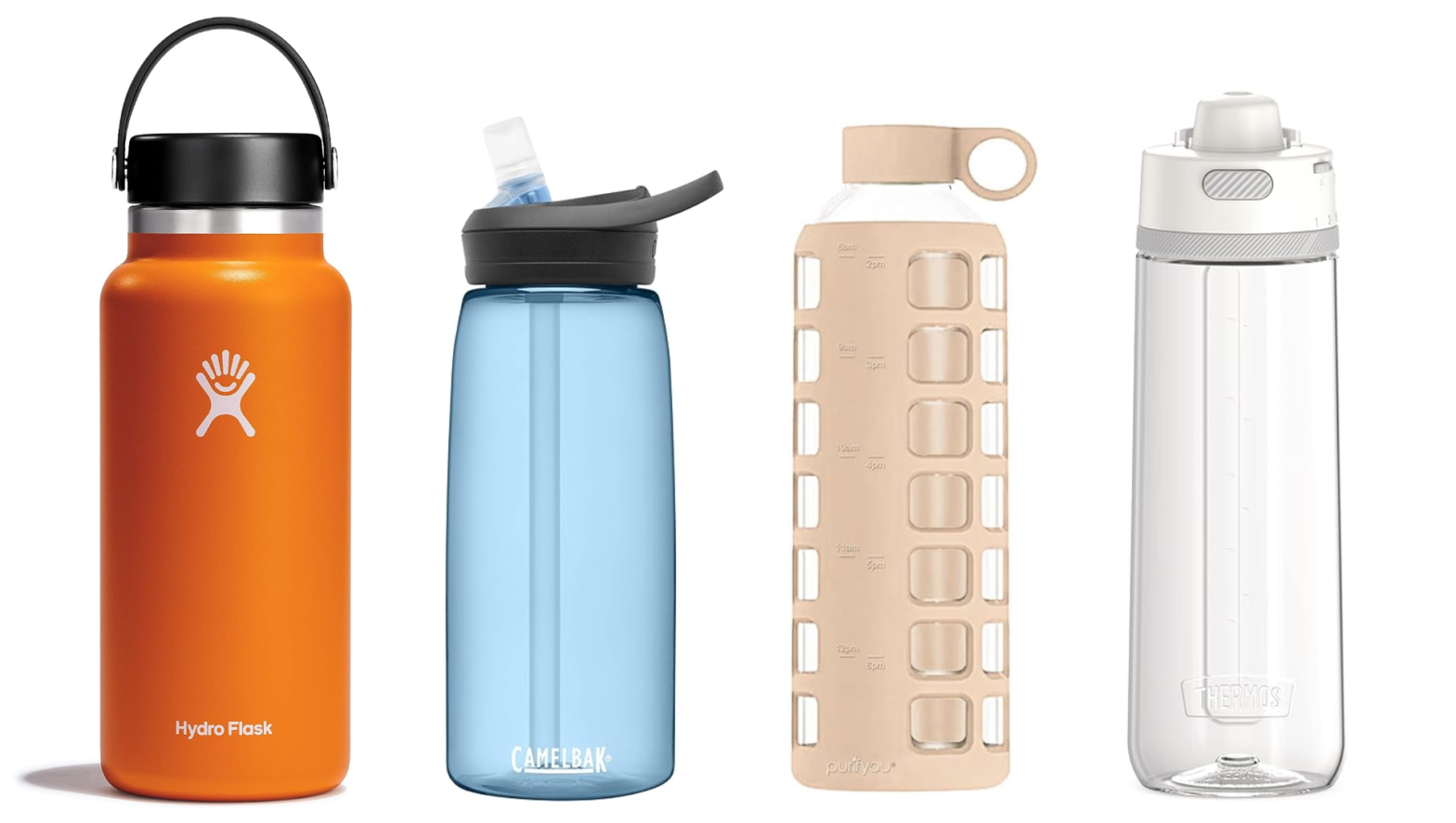
Credit: www.amazon.com
Benefits of Reusable Bottles
Reusable water bottles are more than just a trend; they offer numerous advantages. From reducing environmental impact to saving money, these bottles are a smart choice for anyone. Let’s explore the benefits of reusable bottles in detail.
Environmental Impact
Using a reusable container greatly reduces plastic waste. Many single-use bottles end up in landfills or oceans, harming wildlife and ecosystems. By choosing a sustainable water bottle, you contribute to a healthier planet.
Consider these points:
- Plastic Waste Reduction: One reusable bottle can save hundreds of plastic bottles each year.
- Eco-Friendly Materials: Many bottles are made from stainless steel, which is both durable and recyclable.
- Lower Carbon Footprint: Producing reusable containers uses less energy over time compared to making many single-use bottles.
Here’s a quick comparison:
| Reusable Bottle | Single-Use Bottle |
|---|---|
| Long-lasting | Disposable |
| Eco-Friendly | Harmful to the environment |
| Reduces plastic waste | Increases plastic waste |
Switching to a reusable bottle is a simple step that can make a big difference for the environment.
Cost Savings
Using a reusable water bottle can save you money in the long run. Buying bottled water adds up quickly, while a sustainable water bottle is a one-time investment.
Here are some ways you can save:
- Initial Investment: A good stainless steel bottle may cost more upfront, but it pays off over time.
- No More Purchasing Bottled Water: Fill up your travel water bottle at home or at water stations.
- Durability: A BPA-free bottle lasts longer, reducing the need for frequent replacements.
Let’s look at the numbers:
| Item | Cost |
|---|---|
| Single-Use Bottle (Yearly) | $200 |
| Reusable Bottle (One-time) | $20 |
Over a year, the savings are clear. You also benefit from the convenience of having a reliable hydration source wherever you go.
Choosing a reusable bottle is not just good for the planet; it’s good for your wallet too.
Types of Materials
Reusable water bottles come in various materials, each with its unique benefits and drawbacks. Choosing the right material for your reusable water bottle is essential for convenience, health, and sustainability. This section will discuss the types of materials commonly used in making reusable water bottles: stainless steel, plastic, and glass.
Stainless Steel
Stainless steel is a popular choice for eco-friendly water containers. This material is known for its durability and strength. An insulated stainless steel bottle can keep beverages hot or cold for extended periods, making it an excellent travel water bottle. Below are some of the benefits of using stainless steel:
- Durability: Stainless steel bottles are resistant to dents and scratches.
- Temperature Control: They maintain the temperature of your drink for hours.
- Safety: Stainless steel is free from harmful chemicals like BPA.
- Eco-Friendly: These bottles are reusable and reduce plastic waste.
Stainless steel bottles often come with a leak-proof design, ensuring no spills in your bag. They are also easy to clean and do not retain flavors. However, these bottles can be heavier compared to other materials, which may be a consideration for some users.
| Feature | Stainless Steel |
|---|---|
| Durability | High |
| Temperature Control | Excellent |
| Weight | Heavy |
| Chemical-Free | Yes |
Plastic
Plastic water bottles are highly popular due to their lightweight and affordability. A BPA-free plastic bottle ensures that you are not exposed to harmful chemicals. Here are the main advantages of plastic bottles:
- Lightweight: Easy to carry around, ideal for children and elderly.
- Cost-Effective: Generally cheaper than stainless steel or glass bottles.
- Variety: Available in many colors and designs.
- Durability: Resistant to breaking when dropped.
Plastic bottles are a convenient portable hydration solution. They are often used for sports and outdoor activities due to their lightweight nature. However, plastic bottles can retain flavors and may not be as durable over time. Repeated use can also lead to wear and tear.
| Feature | Plastic |
|---|---|
| Durability | Moderate |
| Weight | Light |
| Chemical-Free | Only BPA-Free |
| Cost | Low |
Glass
Glass water flasks are known for their purity and safety. They do not contain harmful chemicals and do not retain flavors. Here are the benefits of using glass bottles:
- Purity: Glass is free from toxins and chemicals.
- Taste: Does not retain flavors, ensuring a fresh taste every time.
- Eco-Friendly: Glass is recyclable and sustainable.
- Design: Often comes in sleek and stylish designs.
Glass bottles are an environmentally friendly bottle option. They are easy to clean and do not degrade over time. However, glass bottles can be fragile and heavier than plastic. They may not be suitable for high-impact activities but are excellent for office or home use.
| Feature | Glass |
|---|---|
| Durability | Low |
| Weight | Heavy |
| Chemical-Free | Yes |
| Eco-Friendly | High |
Choosing the Right Size
Reusable water bottles are a great way to stay hydrated while reducing plastic waste. One important factor to consider is the size of the bottle. Choosing the right size can make a big difference in your daily routine. Whether you need a compact bottle for travel or a larger one for family outings, selecting the correct size ensures convenience and satisfaction.
Compact For Travel
A compact reusable water bottle is perfect for those always on the go. It’s easy to carry and fits into small spaces. Here are some benefits and features of compact bottles:
- Portability: Small bottles are lightweight and easy to carry.
- Convenience: Fits in most bags, purses, and cup holders.
- Suitable for short trips: Ideal for quick errands or short hikes.
When selecting a compact bottle, consider the following sizes:
| Size (oz) | Volume (ml) | Best For |
|---|---|---|
| 12 oz | 355 ml | Short walks, office use |
| 16 oz | 473 ml | Gym sessions, bike rides |
Compact bottles are available in various materials such as stainless steel, glass, and BPA-free plastic. Each material has its own advantages. Stainless steel is durable and keeps drinks cold. Glass is eco-friendly and doesn’t retain flavors. BPA-free plastic is lightweight and affordable. Choose the one that fits your needs.
Family Size
For family outings or long days out, a larger reusable water bottle is essential. It ensures that everyone stays hydrated without constant refills. Here are some key points to consider:
- Capacity: Larger bottles hold more water, reducing the need for frequent refills.
- Convenience: Perfect for picnics, road trips, and outdoor activities.
- Durability: Look for bottles made from sturdy materials to withstand wear and tear.
Here’s a quick overview of common family-size bottles:
| Size (oz) | Volume (ml) | Best For |
|---|---|---|
| 32 oz | 946 ml | Day trips, beach outings |
| 64 oz | 1893 ml | Camping, group activities |
Consider bottles with additional features such as insulated walls to keep drinks at the desired temperature. Some family-size bottles come with multiple spouts or cups, making it easier to share. Choose a bottle with a wide mouth for easy cleaning and filling.
Remember, the right size bottle ensures you stay hydrated and comfortable, no matter where you are or what you’re doing.
Design Features to Consider
Choosing the right reusable water bottle can make a big difference in your daily hydration routine. There are many factors to consider to ensure you get the best fit for your needs. From insulation to spout types and carrying options, each design feature can affect how convenient and enjoyable it is to use your bottle. Let’s dive into the key design features to consider.
Insulation
An insulated water bottle keeps your drinks at the desired temperature for longer periods. This is essential for those who need to keep their water cold during hot days or their tea warm in winter. Here are some key points about insulation:
- Double-wall insulation: This feature helps maintain the temperature by creating a barrier between the inner and outer walls.
- Vacuum insulation: This technique involves removing air between the walls, enhancing the bottle’s ability to keep drinks hot or cold.
- Material: Stainless steel bottles are often used for insulation due to their durability and ability to maintain temperature.
Below is a table comparing different insulation types:
| Insulation Type | Benefits |
|---|---|
| Double-wall | Keeps drinks cold for up to 24 hours and hot for up to 12 hours. |
| Vacuum | Provides the best temperature retention and prevents condensation. |
Spout Types
The spout design affects how you drink from the bottle and how easy it is to clean. Here are some common spout types:
- Wide mouth: Ideal for adding ice cubes and easy cleaning. Suitable for those who prefer big gulps.
- Sports cap: Designed for quick sips, perfect for athletes and active individuals. Often features a flip-top or straw.
- Screw cap: Offers a secure, leak-proof design. Common in stainless steel and BPA-free bottles.
Consider the following when choosing a spout type:
- Ease of use
- Leak-proof design
- Cleaning convenience
Carrying Options
Carrying options enhance the portability of your sustainable water bottle, making it easier to take with you everywhere. Here are some options:
- Built-in handle: A sturdy handle integrated into the bottle cap or body for easy carrying.
- Carabiner clip: Allows you to attach your bottle to a backpack or belt loop. Ideal for outdoor activities.
- Sling or strap: Offers a hands-free carrying solution. Great for hiking and travel water bottles.
Consider these factors when selecting a carrying option:
- Comfort: Choose a design that won’t strain your hand or shoulder.
- Convenience: Ensure it’s easy to attach or detach from your gear.
- Durability: Opt for materials that can withstand regular use and rough handling.
Choosing the right carrying option can make your hydration on-the-go experience much more convenient and enjoyable.
Cleaning and Maintenance
Reusable water bottles are a great way to stay hydrated while reducing plastic waste. Regular cleaning and maintenance are essential to ensure your bottle stays safe and hygienic. Proper cleaning removes bacteria and keeps your bottle tasting fresh. Let’s dive into some daily and deep cleaning tips for your eco-friendly water bottle.
Daily Cleaning Tips
Keeping your reusable water bottle clean daily is crucial for its freshness and safety. Here are some easy tips to follow:
- Rinse after each use: Always rinse your bottle with warm water immediately after use.
- Use mild soap: Wash your bottle with mild dish soap and a bottle brush to remove residue.
- Pay attention to the cap: Clean the cap and any small parts thoroughly as they can harbor bacteria.
- Dry completely: Allow your bottle to air dry completely before reassembling and storing it.
For BPA-free bottles and stainless steel water bottles, these steps ensure that your bottle stays safe and clean. You can follow these steps for plastic water bottle alternatives and travel water bottles as well.
| Step | Description |
|---|---|
| Rinse | Use warm water to rinse immediately after use. |
| Soap | Use mild dish soap and a brush. |
| Cap | Clean the cap and small parts. |
| Dry | Air dry completely before storing. |
Deep Cleaning Methods
Deep cleaning of your reusable drink container is essential to remove stubborn stains and odors. Here are some effective bottle sanitization techniques:
- Vinegar Soak: Fill your water bottle with a mixture of one-part vinegar to four parts water. Let it sit overnight and rinse thoroughly the next day.
- Baking Soda Paste: Make a paste with baking soda and water. Use a bottle brush to scrub the interior of the bottle. Rinse well.
- Boiling Water: For stainless steel water bottles, pour boiling water into the bottle and let it sit for a few minutes. Be cautious and allow it to cool before handling.
- Dishwasher: If your bottle is dishwasher safe, place it on the top rack for a thorough clean.
These methods ensure that your bottle remains clean and free from harmful bacteria. Deep cleaning should be done weekly or as needed, especially for bottles used for sports drinks or flavored beverages.
For sustainable hydration, always follow proper water bottle care. This ensures your bottle lasts longer and stays safe for daily use. By adopting these hydration tips and bottle sanitization techniques, you can enjoy a clean and fresh reusable water bottle every day.
Sustainable Brands to Explore
Switching to a reusable water bottle is a great way to reduce plastic waste and promote sustainability. Many brands offer environmentally friendly bottles that are both stylish and practical. In this post, we will explore some of the best sustainable brands, focusing on eco-friendly options and top market leaders.
Eco-friendly Options
Choosing an eco-friendly water bottle is a smart move for the environment. Here are some excellent options:
- Stainless Steel Water Bottles: These are durable and long-lasting. They do not leach chemicals and are 100% recyclable.
- Glass Water Bottles: Glass is a non-toxic material and does not retain flavors or odors. Glass bottles often come with protective silicone sleeves.
- Collapsible Water Bottles: Made from BPA-free silicone, these bottles are lightweight and easy to pack. Perfect for travel.
| Brand | Material | Key Features |
|---|---|---|
| Hydro Flask | Stainless Steel | Double-wall insulated, BPA-free, wide mouth |
| Purifyou | Glass | Protective sleeve, BPA-free, leak-proof |
| Nomader | Silicone | Collapsible, BPA-free, leak-proof |
Hydro Flask is a popular choice for those who need a durable and insulated water bottle. Purifyou offers an elegant glass option that is both eco-friendly and stylish. For those who prioritize portability, Nomader provides an excellent silicone option that can collapse and fit easily into any bag.
Top Market Leaders
Several brands stand out in the market for their commitment to sustainability and quality. These are some of the top market leaders:
- Hydro Flask: Known for their durable and insulated stainless steel bottles. They are BPA-free and keep drinks cold or hot for hours.
- S’well: This brand offers stylish and functional insulated water bottles. They use high-grade stainless steel and focus on eco-conscious hydration.
- LifeStraw: Famous for their portable water containers with built-in filters. These bottles are ideal for outdoor adventures and ensure safe drinking water.
Here is a comparison of some of the top market leaders:
| Brand | Key Features | Best For |
|---|---|---|
| Hydro Flask | Insulated, BPA-free, durable | Everyday use, sports |
| S’well | Insulated, stylish, eco-conscious | Fashionable, eco-conscious users |
| LifeStraw | Built-in filter, portable, BPA-free | Outdoor activities, travel |
Hydro Flask remains a top choice for its reliable performance and durability. S’well attracts those who prefer a stylish and eco-conscious hydration solution. LifeStraw excels in providing safe drinking water on the go, thanks to its built-in filter technology.
Diy Customization Ideas
Reusable water bottles are not only eco-friendly but also offer a great opportunity for personal expression. Customizing your reusable beverage container can make it more enjoyable to use and help you keep track of it. Let’s explore some DIY customization ideas that can transform your bpa-free water container into a unique piece of personalized drinkware.
Painting And Decorating
Painting and decorating your custom water bottle can be a fun and creative activity. Here are some ideas to get you started:
- Use Acrylic Paints: Acrylic paints work well on most surfaces, including insulated water bottles. Start by cleaning the surface with rubbing alcohol. Then, apply a base coat and let it dry. After that, you can add designs, patterns, or even your favorite quotes.
- Stickers and Decals: Stickers and decals are easy to apply and come in various designs. Choose waterproof ones to ensure they last longer. Arrange them in a way that reflects your style.
- Glitter and Gemstones: Add some sparkle to your portable water flask with glitter or adhesive gemstones. Use a clear sealant to keep everything in place.
- Washi Tape: Washi tape is decorative and easy to use. Wrap it around your eco-friendly bottle in different patterns. You can change the tape whenever you want a new look.
Here’s a quick table to summarize the materials you might need:
| Material | Purpose |
|---|---|
| Acrylic Paints | Base coat and designs |
| Stickers/Decals | Decorative elements |
| Glitter/Gemstones | Adding sparkle |
| Washi Tape | Patterns and designs |
| Clear Sealant | Protective coating |
With these materials, your travel water bottle will stand out and reflect your personality.
Personalized Labels
Personalized labels can make your hydration solutions more functional and stylish. Here are some tips to create your custom labels:
- Choose a Design: Decide on a theme or style for your labels. You can use online tools to design labels that match your insulated water bottle.
- Print and Cut: Print your labels on waterproof paper to ensure they last. Cut them out carefully, following the edges of your design.
- Apply the Labels: Clean the surface of your sustainable water bottle before applying the labels. Smooth out any bubbles to ensure a clean finish.
- Seal the Labels: Use a clear adhesive spray or sealant to protect the labels from water and wear.
Here are some label ideas to consider:
- Name and Contact Info: Useful if you often misplace your bottle.
- Inspirational Quotes: Keep yourself motivated throughout the day.
- Measurement Markings: Help track your water intake.
- Fun Graphics: Add a touch of personality with illustrations or patterns.
Personalizing your bpa-free water container with labels is easy and adds a unique touch. Whether you prefer a sleek, minimalist design or something more vibrant, there’s a label style for everyone.

Credit: plastic.education
The Future of Water Bottles
Reusable water bottles are becoming more popular as people look for ways to reduce waste and stay hydrated. The future of water bottles is bright, with new technologies and designs making them more user-friendly and environmentally friendly. Let’s look at some of the exciting developments in the world of reusable water bottles.
Innovative Technologies
With the advancement in technology, reusable water bottles are becoming smarter and more efficient. Some of the latest innovations include:
- Smart Water Bottles: These bottles come with sensors that track your water intake and remind you to drink more water. They connect to your smartphone via an app.
- Self-Cleaning Bottles: These bottles use UV-C light to kill bacteria and viruses, ensuring that your water stays clean and safe to drink.
- Insulated Water Bottles: These bottles keep your drinks hot or cold for hours, making them perfect for all-day use. They often come with double-walled construction.
Here is a table comparing some of the innovative technologies in reusable water bottles:
| Technology | Features |
|---|---|
| Smart Water Bottles | Tracks water intake, reminders, smartphone connectivity |
| Self-Cleaning Bottles | UV-C light for cleaning, kills bacteria and viruses |
| Insulated Water Bottles | Keeps drinks hot or cold, double-walled construction |
Trends In Sustainability
As people become more environmentally conscious, the demand for eco-friendly water bottles is on the rise. Here are some trends in sustainability:
- Eco-Friendly Materials: More water bottles are being made from sustainable materials like stainless steel, glass, and BPA-free plastics. These materials are safe and durable.
- Refillable Drinkware: People are moving away from single-use plastics and opting for refillable drinkware. This helps reduce plastic waste and promotes a zero waste lifestyle.
- Long-Lasting Water Bottles: Durable bottles that last for years are becoming more popular. They reduce the need for frequent replacements, saving money and resources.
Sustainable hydration solutions are also being promoted through various means:
- Encouraging the use of portable water containers that can be refilled at water stations.
- Promoting the benefits of using insulated water bottles to reduce the need for single-use cups.
- Raising awareness about the environmental impact of plastic bottles and the benefits of switching to eco-friendly water bottles.
These trends show a growing commitment to a sustainable future. Choosing a reusable water bottle is a small step that can make a big difference in reducing our carbon footprint and promoting a healthier planet.
Frequently Asked Questions
What Are Reusable Water Bottles?
Reusable water bottles are containers designed for multiple uses. They help reduce plastic waste. They come in various materials like stainless steel, glass, and BPA-free plastic.
Are Reusable Water Bottles Safe?
Yes, they are safe when cleaned regularly. Choose BPA-free options to avoid harmful chemicals. Proper maintenance ensures safety.
How To Clean A Reusable Water Bottle?
Use warm, soapy water and a bottle brush. Rinse thoroughly. For deep cleaning, use a mixture of vinegar and water.
What Materials Are Best For Reusable Bottles?
Stainless steel and glass are the best materials. They are durable and non-toxic. BPA-free plastic is also a good option.
Final Thoughts
Switching to a reusable water bottle benefits both you and the environment. It’s cost-effective. It reduces plastic waste. You stay hydrated on the go. Many styles and sizes fit your needs. Easy to clean and maintain. A small change, but it makes a big difference.
Start today. Help save the planet, one sip at a time.