


Flying with a baby works best when you feed during takeoff and landing, book an aisle seat next to a window seat, and pack one diaper for every two hours of travel. Using tested air travel with infant tips keeps your baby calm, protects their ears from cabin pressure changes, and prevents sudden messes from ruining the flight.
Cabin air, tight spaces, and delayed flights create challenges that simple packing lists can’t fix alone. This guide details proper seat choices, airport security screening, and practical schedules to make your journey run smoothly from departure to your final destination.
Essential travel gear for infants

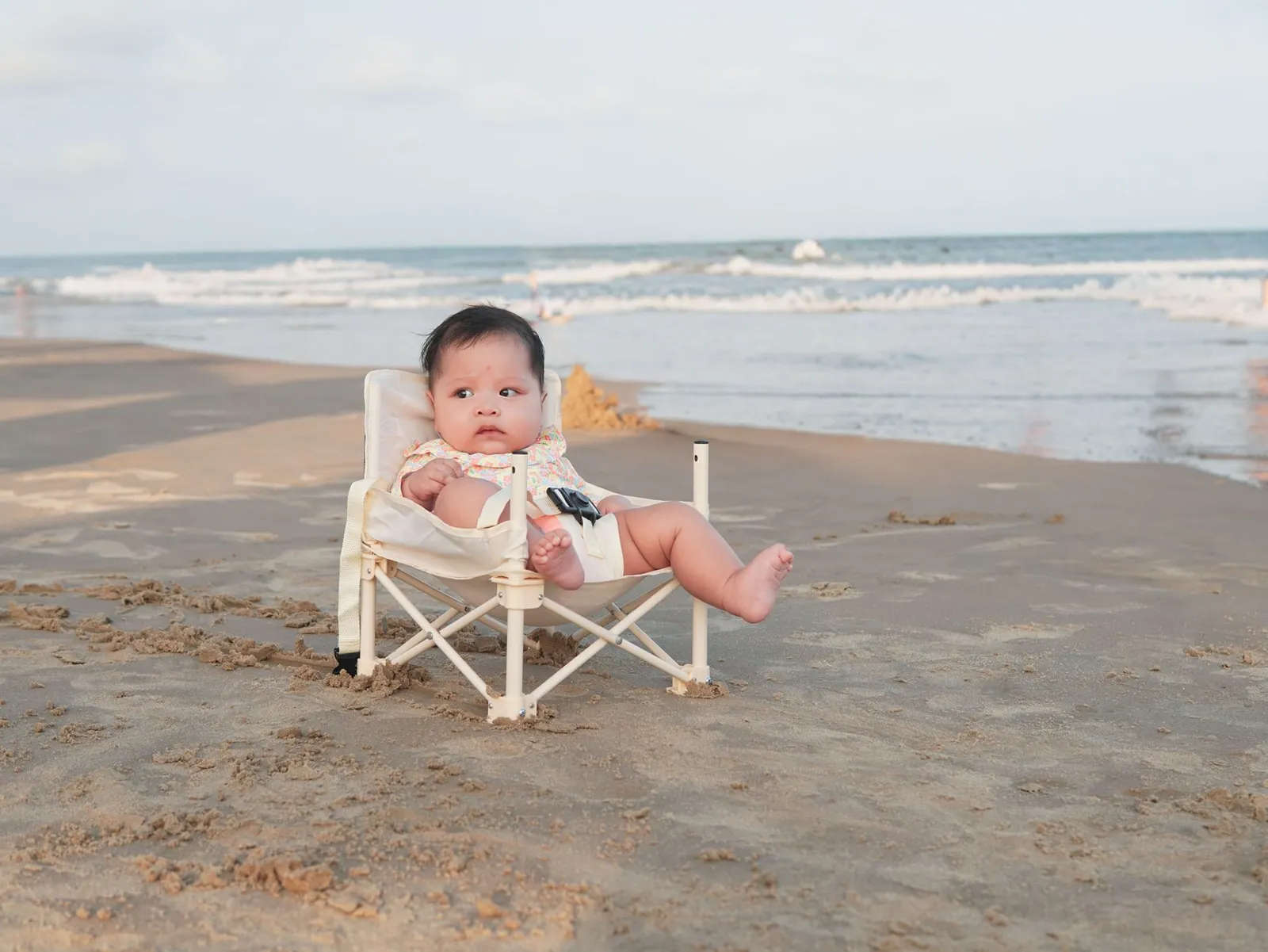
Infant flight equipment keeps your child secure during rough air and provides a clean, familiar space for sleep. Parents use FAA-approved car seats, front-facing soft carriers, and compact strollers to navigate crowded terminals without physical strain. This gear is essential for families traveling with infants and toddlers.
A frequent misunderstanding is that holding a baby on your lap is just as safe as using a car seat. In severe clear-air turbulence, human grip can’t reliably hold an infant against violent cabin drops. Securing a child into their own certified seat provides the same structural protection an adult receives from a buckled belt.
If you’re debating the cost, use this decision rule: if you prioritize budget and the flight is under three hours, a lap infant is manageable. If the flight exceeds four hours or involves potential turbulence, buy the seat. The cost of a ticket is often offset by the ability to use your own car seat, which prevents the child from becoming a projectile during sudden altitude shifts.
A common mistake is assuming that any car seat works on a plane. Check the bottom of your seat for a label stating, “This restraint is certified for use in motor vehicles and aircraft.” If that label is missing, the airline will force you to gate-check the seat, leaving you without a secure place for your child.
This setup isn’t for families with children over forty pounds, as these older kids must use standard airplane seat belts. If you fly with a lap infant under age two, you save ticket costs; if you purchase an individual seat for their car seat, you gain physical safety and open arm space. Always confirm your car seat width is under 16 inches to ensure it fits between standard armrests.
Step-by-step flight routine for babies
Getting through an airport with a baby requires a step-by-step process. Rushing at the terminal increases stress, which makes babies fussy before you even board the plane.
- Pack carry-on supplies by the hour. Place one diaper for every two hours of total trip time, plus three extra, into clear plastic bags. Add two full changes of clothes for your infant and one fresh shirt for yourself.
- Arrive at the terminal early. Arrive at the airport 120 minutes before a domestic departure, or 180 minutes before an international flight. This extra hour accounts for physical bag checks and nursing stops.
- Separate baby food at security. Pull breast milk, baby formula, and sealed purées out of your carry-on luggage. Put them into a separate bin so officers can inspect them quickly without opening your main bags.
- Gate-check your folding stroller. Walk your stroller directly to the departure gate counter 45 minutes before departure. Ask the gate agent for a physical baggage tag, fold the frame, and leave it on the jet bridge.
- Split your boarding process. Send one adult onto the plane during early family boarding to install the car seat and store overhead bags. Have the second adult wait at the gate with the baby until final boarding so the child stays confined for less time.
- Time feedings for pressure changes. Offer a bottle, breast, or pacifier during aircraft ascent and descent. The sucking motion opens the infant’s Eustachian tubes and relieves ear pain caused by changing cabin pressure.
- Change diapers right before landing. Visit the aircraft bathroom changing table 40 minutes before arrival, right before the pilot turns on the fasten seatbelt sign for descent.
The hardest decision is choosing when to step onto the plane. Boarding early secures overhead bin space, but staying in the terminal burns off your infant’s energy before hours of sitting still.
If your child develops a fever over 100.4 degrees Fahrenheit or has an active ear infection before flying, don’t travel without medical clearance. Contact your pediatrician for guidance, as severe cabin pressure changes can cause ear pain or damage an inflamed eardrum.
Practical packing and timing settings
Different stages of a flight require specific gear and timing adjustments. Use this quick reference to prepare for each part of your trip.
| Situation | What to use | How long | What to watch for |
|---|---|---|---|
| Security screening | Front baby carrier | 15 to 25 minutes | Metal buckles that trigger the walk-through detector |
| Gate layover | Floor blanket | 30 to 90 minutes | Dirty airport carpets and moving gate traffic |
| Aircraft takeoff | Bottle, breast, or pacifier | First 20 minutes | Swallowing rhythm during initial altitude climb |
| Mid-flight nap | Car seat or bassinet | 1 to 3 hours | Slumped head posture blocking infant airways |
| Diaper blowout | Wet bag and zip-up onesie | 10 minutes | Restroom changing tables without safety straps |
| Aircraft descent | Bottle, breast, or pacifier | Last 30 minutes | Ear pulling, crying, or signs of pressure discomfort |
The most common mistake parents make at security is keeping the infant in a stroller. TSA agents will force you to collapse the stroller and send it through the X-ray machine. If you use a front carrier, you can often keep the baby on your body, saving you five minutes of frantic folding.
When choosing a floor blanket for the gate, ensure it’s waterproof on one side. Airport floors harbor pathogens that standard cotton blankets absorb instantly. If you’re traveling with a toddler, bring a small roll of painter’s tape. You can create a “boundary” on the carpet to keep them contained during long layovers.
During takeoff and landing, the goal is to trigger the swallow reflex to equalize ear pressure. If your infant refuses a bottle, try a pacifier. If they’re older, a small pouch of fruit puree works just as well. If the child is already sleeping, don’t wake them; the change in pressure is usually gradual enough that they will sleep through it.
For mid-flight naps, check the seat recline before settling in. If the person in front of you reclines fully, it may compress your bassinet space. If your child is in a car seat, use a rolled-up muslin blanket to support their neck. This prevents their head from falling forward, which can restrict their breathing during deep sleep.
What experienced parents do differently
Experienced travelers pack their diaper bags in the reverse order of use. They place emergency backup clothes at the very bottom, diapers and wipes in the center, and feeding supplies right at the top. They also choose zip-up sleepers instead of outfits with metal snaps, which saves valuable time inside tiny airplane bathrooms.
Partway through the flight, experienced flyers monitor their baby’s hydration and cabin comfort. Airplane cabins have humidity levels below 20 percent, which dries out infant nasal passages quickly. Parents apply small amounts of petroleum jelly under the child’s nose and offer fluids more frequently than they do at home.
These travelers leave toys with small, loose parts at home. Instead, they bring silent silicone suction toys that stick to the window or tray table. They don’t pick up dropped items from the aircraft floor without sanitizing them first, and they never leave dirty diapers loose inside the seatback pocket.
A frequent mistake is packing powdered formula into one giant container. If that single container spills during a security check or hits the cabin floor during turbulence, you lose your entire food supply for the flight. Measure individual scoops into separate small containers instead to protect your backup milk.
The exact amount of liquid your baby drinks varies depending on their feeding schedule and body weight.
Common flying problems and fixes
Travel delays, engine noise, and cabin pressure changes can disrupt your plans. Use these solutions when problems occur during your trip.
| What you notice | What it usually means | What to do first |
|---|---|---|
| Screaming during descent | Middle ear pressure pain | Feed the baby immediately to trigger swallowing |
| Cold hands and pale skin | Aircraft cabin draft | Layer a wearable sleep sack over their clothing |
| Refusal to drink formula | Cold liquid temperature | Request a cup of hot water from the flight attendant to warm the bottle |
| Restless squirming | Sensory overload from engine noise | Place soft baby earmuffs over their ears |
| Constant spitting up | Trapped air from altitude change | Burp the child upright over your shoulder |
Most parents mistake normal cabin pressure for a full-blown ear infection. If your child pulls at their ears but stops crying once the plane levels off, it’s pressure. If they continue to scream for hours after landing, consult a pediatrician.
Temperature regulation is the most common mistake travelers make. Aircraft cabins fluctuate by as much as ten degrees during a flight. Always pack a base layer and a heavier outer layer in your carry-on. If the baby’s chest feels cool to the touch, add the extra layer immediately.
If you’re flying with a toddler, sensory overload is the primary cause of mid-air meltdowns. If your child is squirming uncontrollably, dim the overhead light and create a visual barrier using a light blanket. This simple change reduces overstimulation.
Finally, always carry an extra three ounces of formula or breast milk beyond what you expect to use. Delays often extend flights by two hours or more. Having that buffer prevents the panic of running dry while stuck on the tarmac.
Airline rules and baggage limits
The Federal Aviation Administration allows infants to ride on an adult’s lap without an extra ticket on domestic flights. However, the FAA strongly recommends securing your child in a dedicated, hard-backed car seat with an internal harness. The car seat must carry an official printed label stating that it’s certified for use in motor vehicles and aircraft. If your car seat lacks this FAA-approved sticker, flight attendants are legally required to deny its use during takeoff and landing.
Under Transportation Security Administration rules, medically necessary liquids for babies are exempt from the standard 3.4-ounce limit. You can carry larger volumes of expressed milk, liquid formula, and teething gels through the security checkpoint. You must declare these items to the screening officer before the screening process begins. Don’t keep these items inside your carry-on bag; place them in a separate bin to avoid a time-consuming manual bag search.
If you travel internationally, regulations change significantly. Most foreign airlines charge roughly 10 percent of an adult fare for a lap infant, plus airport taxes. International flights also require a full passport for the baby, regardless of their age. Contact your carrier directly if your infant requires oxygen or specialized medical devices on board.
Check your specific airline’s policy on strollers before arriving at the gate. Some carriers allow full-sized strollers to be checked at the boarding bridge, while others mandate that you check them at the main ticket counter.
If your stroller exceeds the size of a standard umbrella-fold model, the gate agent may force you to check it as heavy luggage. This mistake often results in damaged frames or lost parts during transit. Always use a dedicated, padded travel bag to protect your stroller from rough handling by ground crews.
Caring for travel gear after arrival
Once you reach your destination, inspect all baby gear for hidden damage. Baggage handlers often treat gate-checked strollers roughly, so check the wheel locks, folding hinges, and frame screws before placing your child back inside. A simple test is to engage the brake and push the stroller firmly; if it rolls, the mechanism is compromised. Clean off terminal grime using sanitizing wipes immediately, as airport floor residue often contains harsh de-icing chemicals.
Store your portable travel bed and fabric baby carrier in dry, ventilated bags to prevent mold growth caused by trapped moisture. If your stroller picked up salt air, sand, or rain during travel, wipe down the metal joints with clean tap water and dry them completely. Sand acts as an abrasive that grinds down plastic gears, while salt leads to rapid oxidation of aluminum frames.
A car seat that suffers a heavy drop or stress impact during baggage handling must be inspected carefully. Look for white stress marks along the black plastic shell, which indicate weakened structural integrity. If you notice visible cracks in the frame or deep gouges, replace the car seat before using it in a vehicle.
Many parents mistakenly assume that if the seat looks intact, it’s safe. Using a compromised seat during a minor collision can result in total failure of the harness system. If you’re unsure about the safety of your seat after a rough flight, contact the manufacturer’s support line with the serial number to confirm if a professional inspection is required.
When to avoid standard airline travel

Standard commercial flights are the wrong choice if your newborn is under seven days old. Very young infants have developing lungs and vulnerable immune systems that shouldn’t be exposed to recirculated cabin air and altitude shifts. In this situation, postpone your trip or choose ground transportation.
Commercial air travel is also unsafe for an infant with a severe cold or a diagnosed ear infection. The change in air pressure during descent can cause severe middle ear pain. Drive your own vehicle instead, or wait until your pediatrician confirms that the ear inflammation has cleared.
Frequently Asked Questions
Can you bring baby food through airport security?
Yes, you can bring baby food through security checkpoints. The TSA classifies baby food, breast milk, and prepared infant formula as medically necessary liquids. These items don’t need to meet the standard 3.4-ounce limit, but you must take them out of your bag for separate X-ray screening.
How many diapers should I pack in my carry-on?
Pack one diaper for every two hours of total travel time, plus three extra. For a six-hour journey involving connections, pack at least six diapers plus your three backups. Delays on the tarmac or missed flight connections happen often, and airports rarely sell the correct diaper sizes.
Is an infant required to have a passport for domestic flights?
No, an infant doesn’t need a passport for domestic travel within the United States. Airlines typically require a government-issued birth certificate or passport to verify that a lap child is younger than two years old. International flights, however, require a valid passport book for every infant regardless of age.
Can I gate-check both a stroller and a car seat?
Yes, most airlines allow you to gate-check one stroller and one car seat for free at the aircraft door. You hand the equipment to the gate agent right before walking down the jet bridge. The airline crew places both items in the cargo hold and returns them on the bridge upon arrival.
What happens if my baby cries the entire flight?
Stay calm, hold your baby upright, and step into the rear galley if the seatbelt sign is off. Walk steady laps down the aisle or offer a pacifier to calm their nerves. Flight attendants are used to crying infants, so focus entirely on comforting your child rather than worrying about the opinions of other passengers.
Conclusion
Taking an infant on an airplane requires patience, practical timing, and careful packing. When you organize your gear, protect your baby’s ears during altitude changes, and stay flexible during unexpected travel delays, you make the journey manageable for the whole family. Keep your essential feeding supplies close at hand, give yourself extra time at the terminal, and enjoy reaching your destination together.